 David Feng
Raphael at the Met
(Translated from the Chinese version with the help of ChatGPT. The Chinese version also contains the OCR English label texts for exibition objects.)
Why I Went
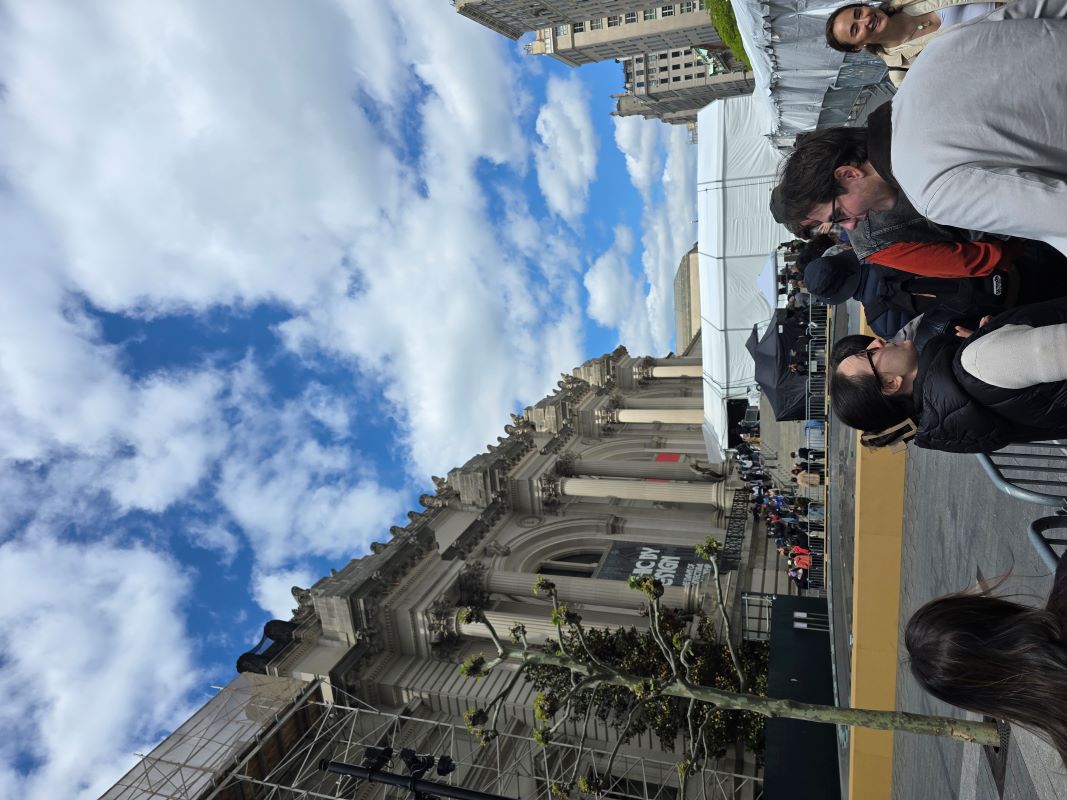
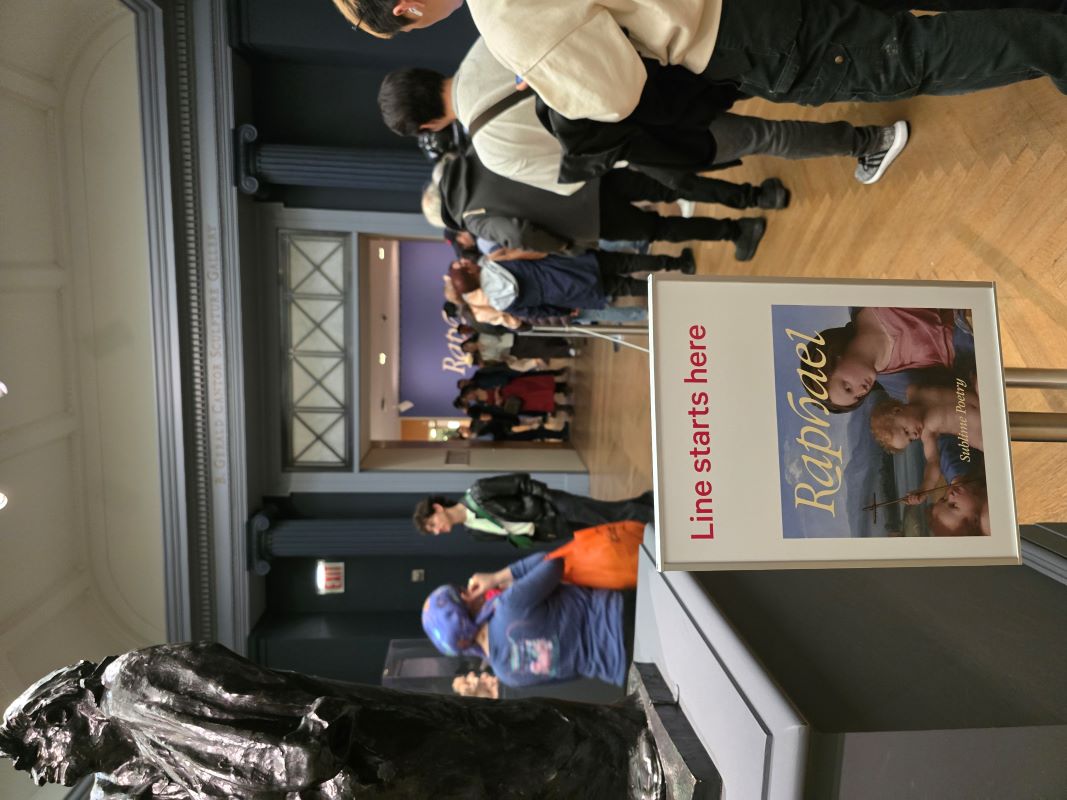
Earlier this year, I started seeing promotional material from the Met about a major Raphael exhibition, which started in late March. I finally decided to go on Sunday, May 3rd. That gave me about a week to cram for it, so I spent my evenings reading articles and watching videos1 about Raphael and the Renaissance.
After seeing the exhibition, I ended up with a few thoughts worth sharing.
The curator, Carmen Bambach, previously organized the Met’s Leonardo da Vinci exhibition in 2003 and the Michelangelo exhibition in 2017. This new Raphael exhibition in 2026 completes her trilogy on the three giants of the High Renaissance.
The exhibition reportedly took eight years to prepare. I assume most of that time went into persuading museums around the world to lend their masterpieces. Eight years in the making—was it worth it?
A Brief Introduction to Raphael
Following the exhibition’s official structure, we begin at the beginning.
Raphael of Urbino
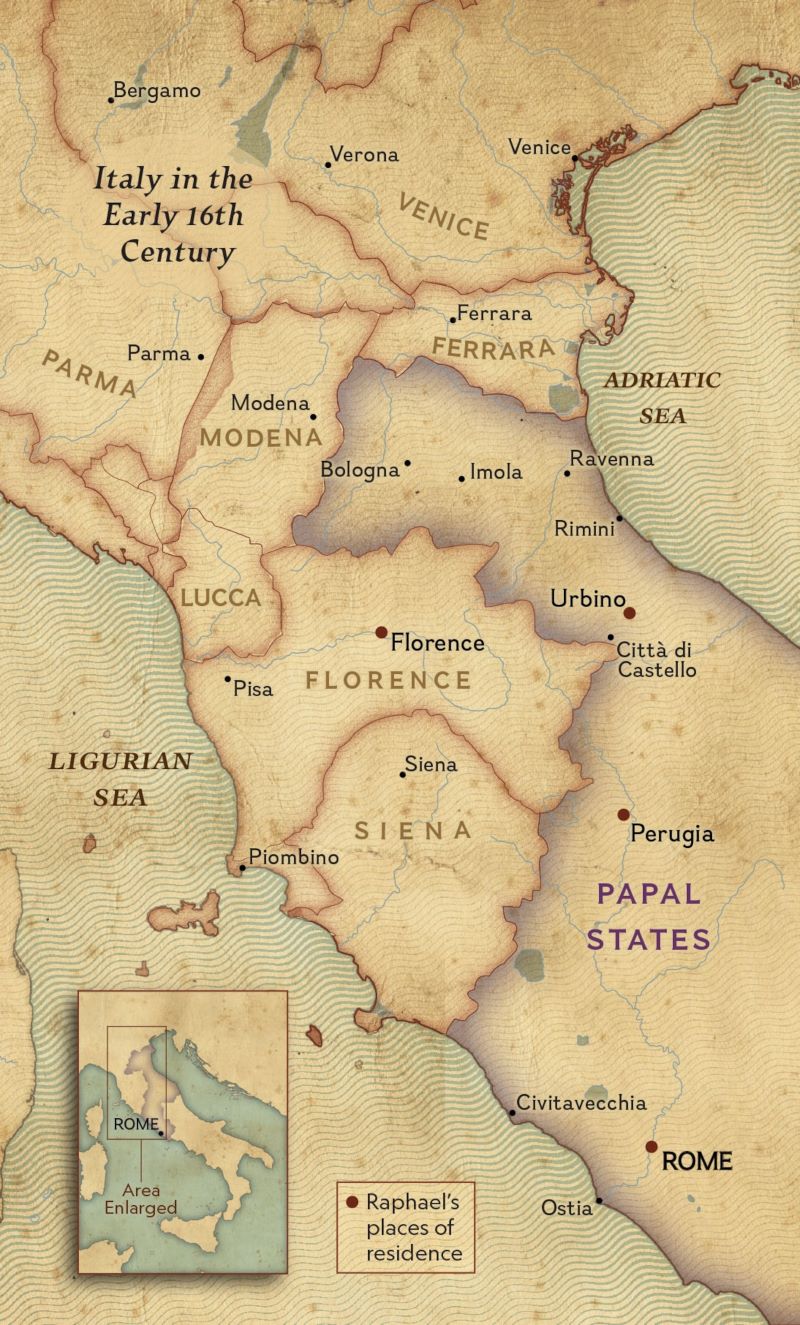
Raphael was born in 1483 in the small Italian city of Urbino. He remained proud of his hometown throughout his life and often signed his works “Raphael of Urbino.”
Urbino itself may have been small, but culturally it punched far above its weight. Its duke—famous today for the celebrated double portrait in the Uffizi—had risen from the world of mercenary warfare to become one of the great Renaissance patrons of the arts.
Raphael’s father was both a painter and a poet, closely connected to the ducal court. As a child, Raphael grew up surrounded by courtly manners, humanist culture, and artistic ambition. In modern internet terms, he was basically raised in an unusually refined small-town elite circle.2
Becoming an Artist
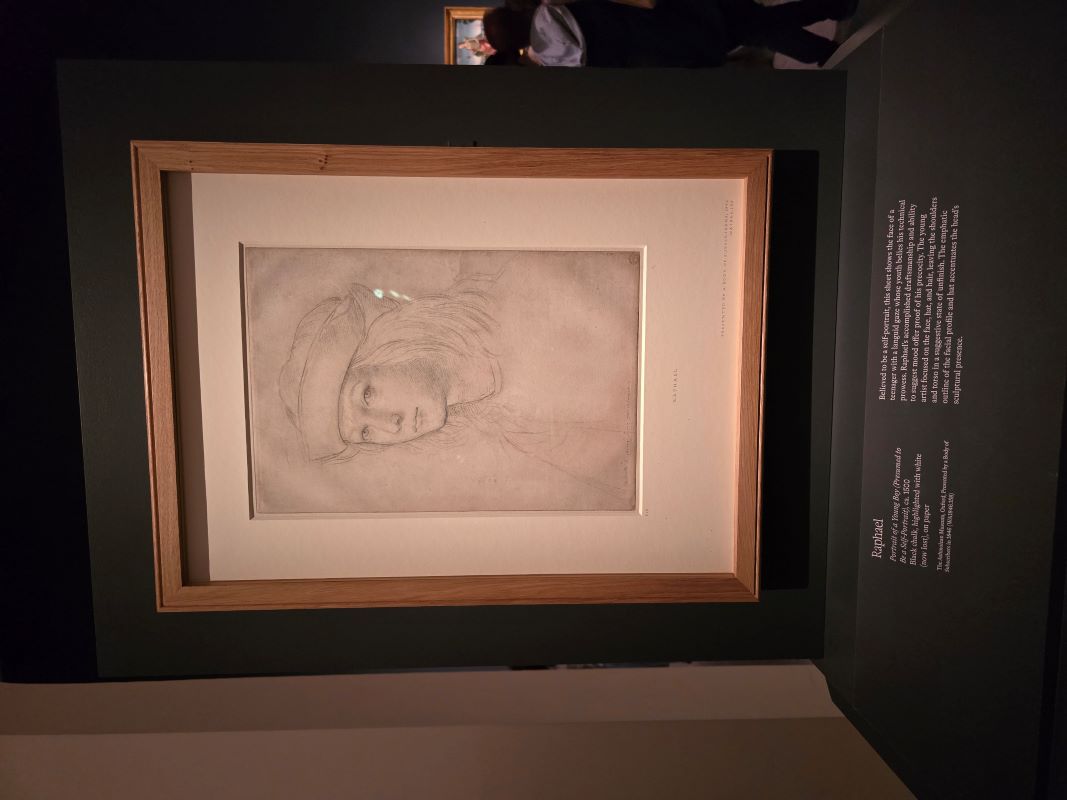
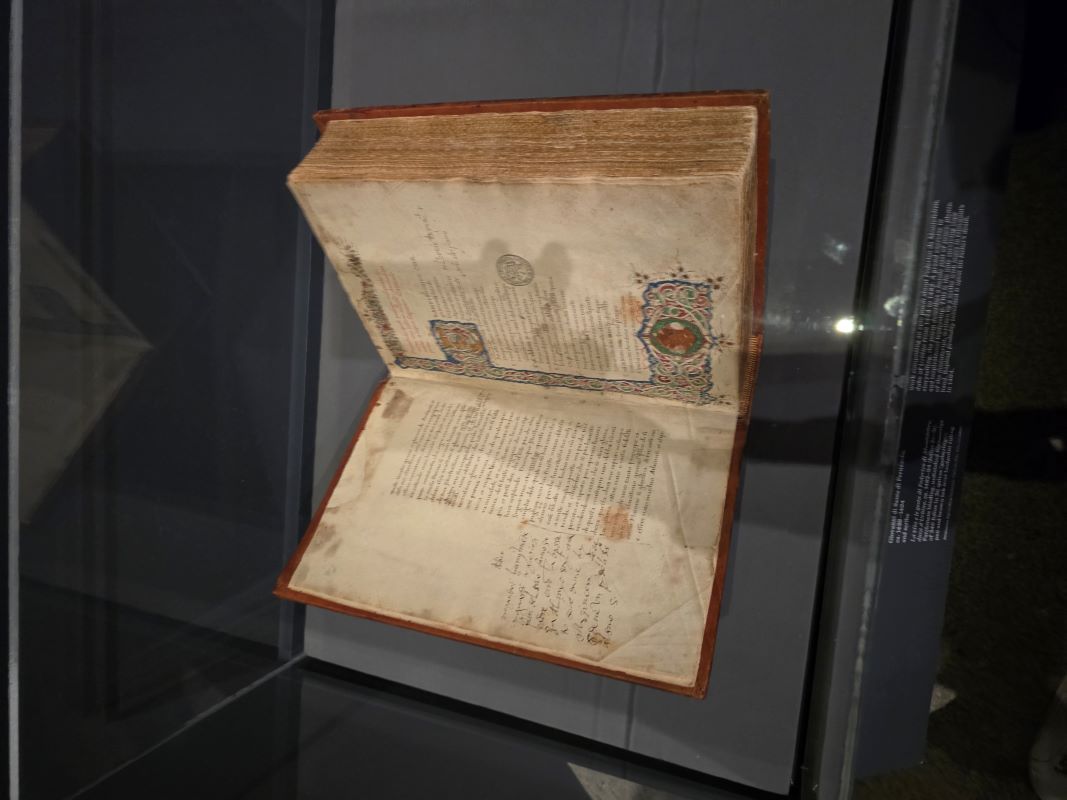
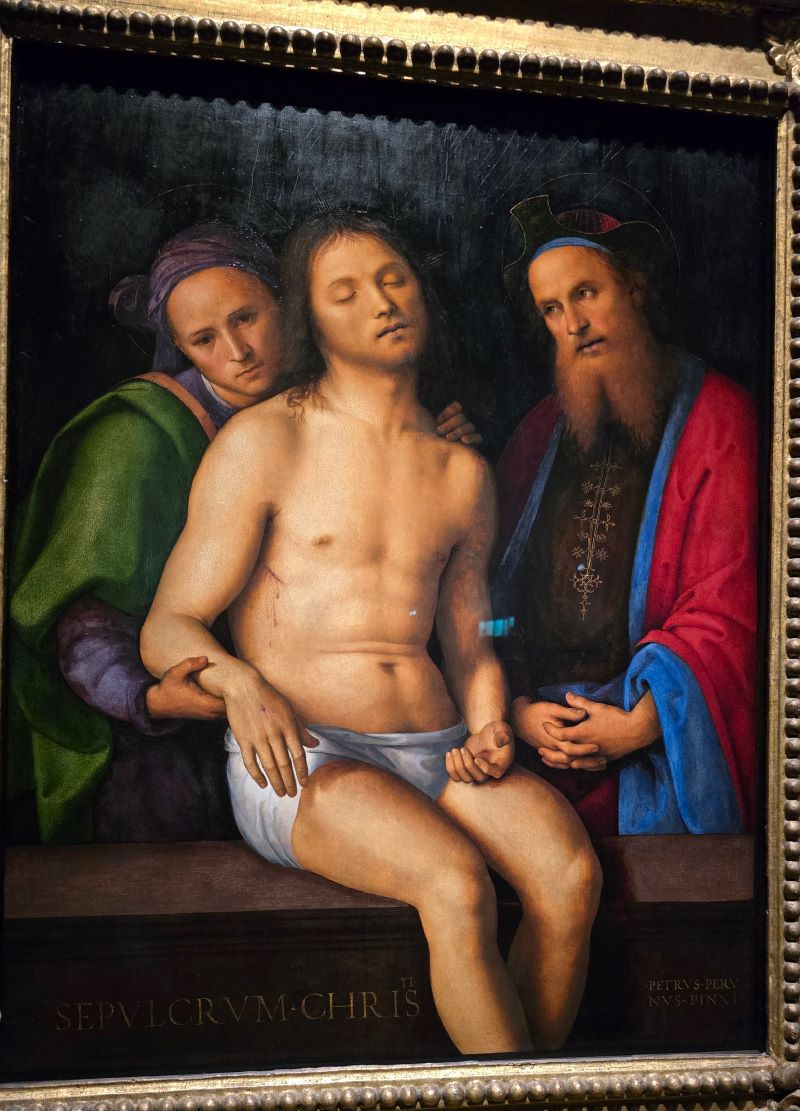
Raphael showed extraordinary talent from a young age, and his father sent him to train in Perugia under Perugino.
Perugino was no minor painter. His fresco The Delivery of the Keys in the Sistine Chapel remains one of the defining works of the Italian Renaissance.
Raphael was ambitious, studious, and disciplined. He climbed the workshop hierarchy quickly—from pupil, to apprentice, to collaborator, and eventually to independent master. Comparing Perugino’s Marriage of the Virgin with Raphael’s later version, you can already see the student surpassing the teacher.
At Perugino’s workshop, Raphael learned not only how to paint, but also how to systematize artistic production. Renaissance workshops functioned almost like highly organized studios: assistants, reusable designs, scaling methods, and efficient workflows allowed masters to fulfill large numbers of commissions quickly. This experience would later shape Raphael’s own enormous studio in Rome.
Looking for Patrons
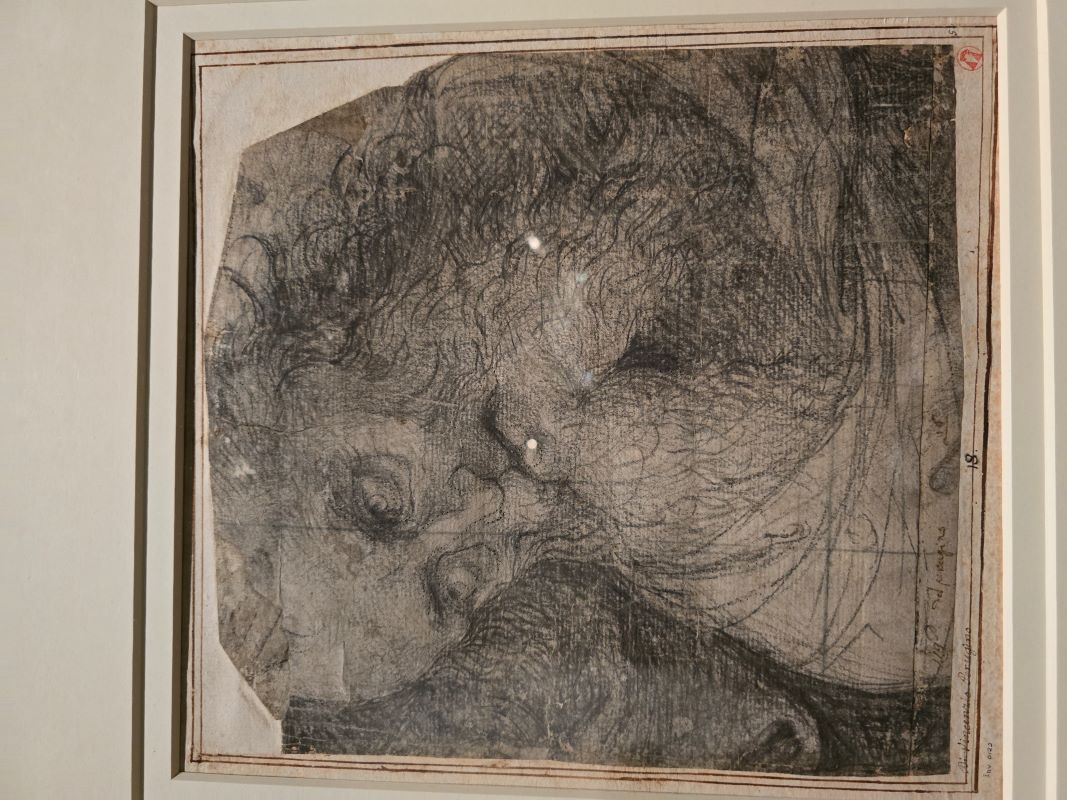
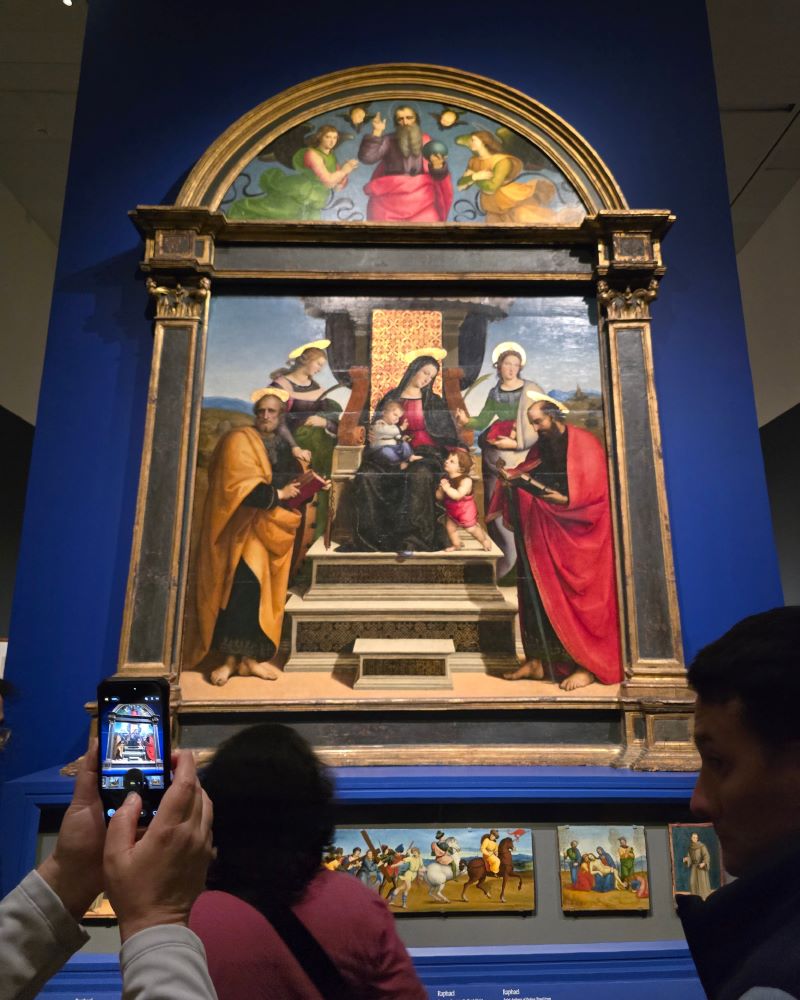
Between 1500 and 1507, the young Raphael traveled across the Marche, Umbria, and Tuscany regions producing altarpieces and small devotional paintings.
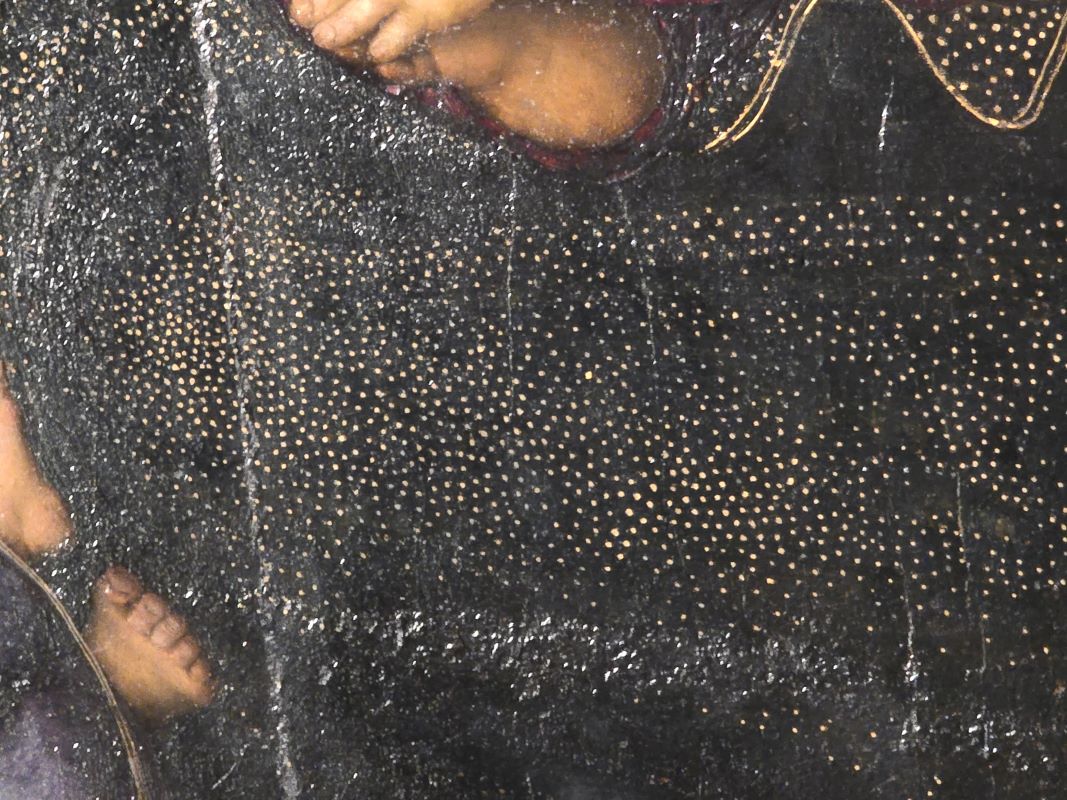
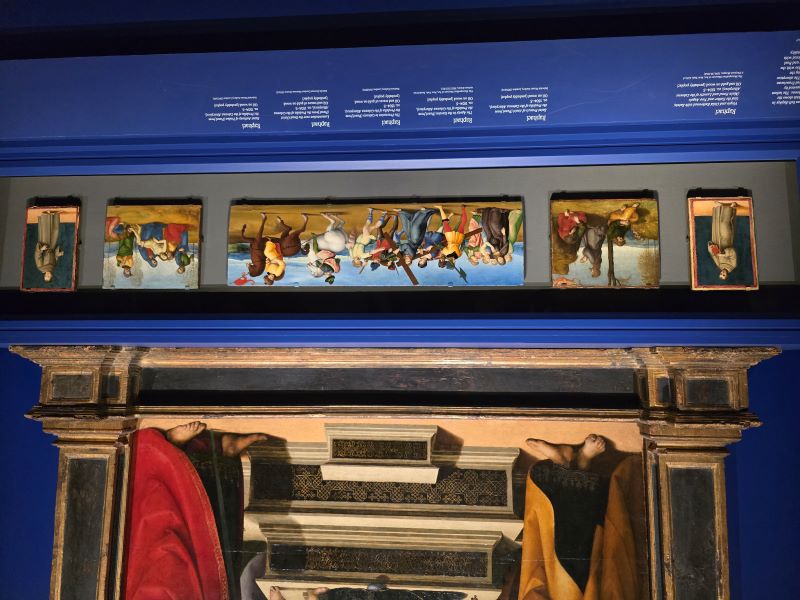
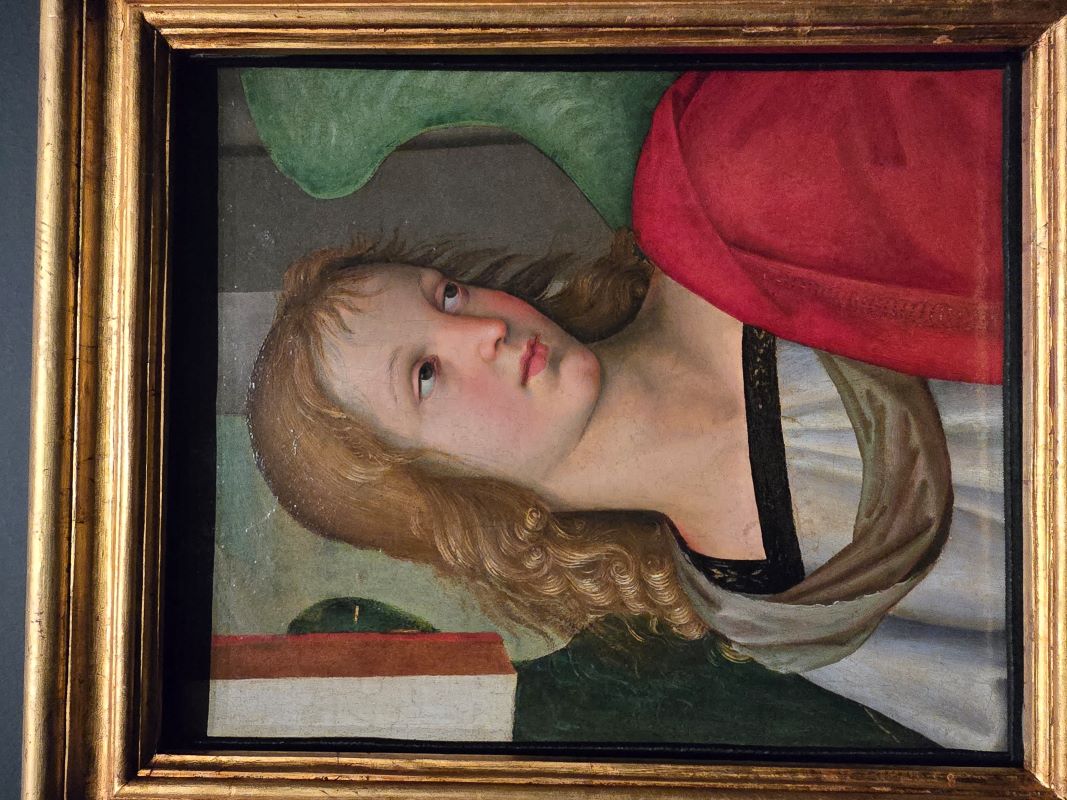
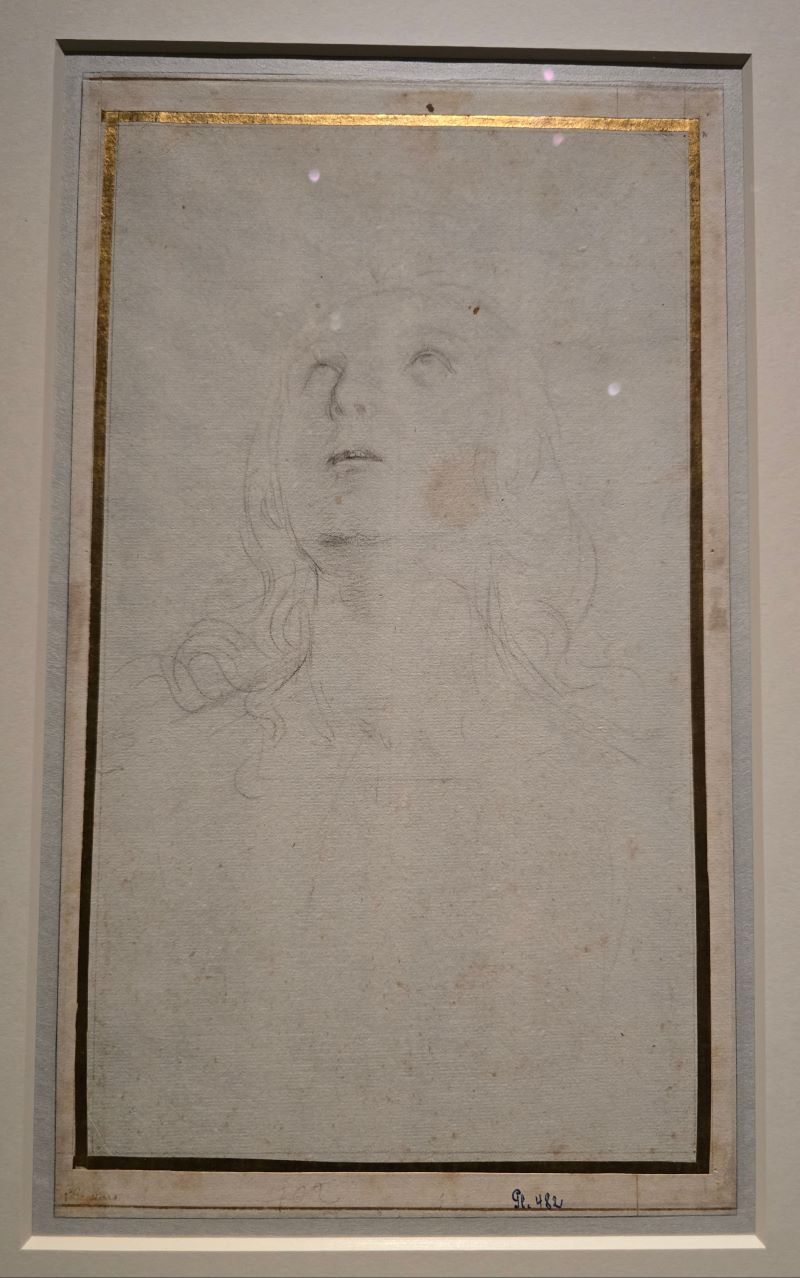
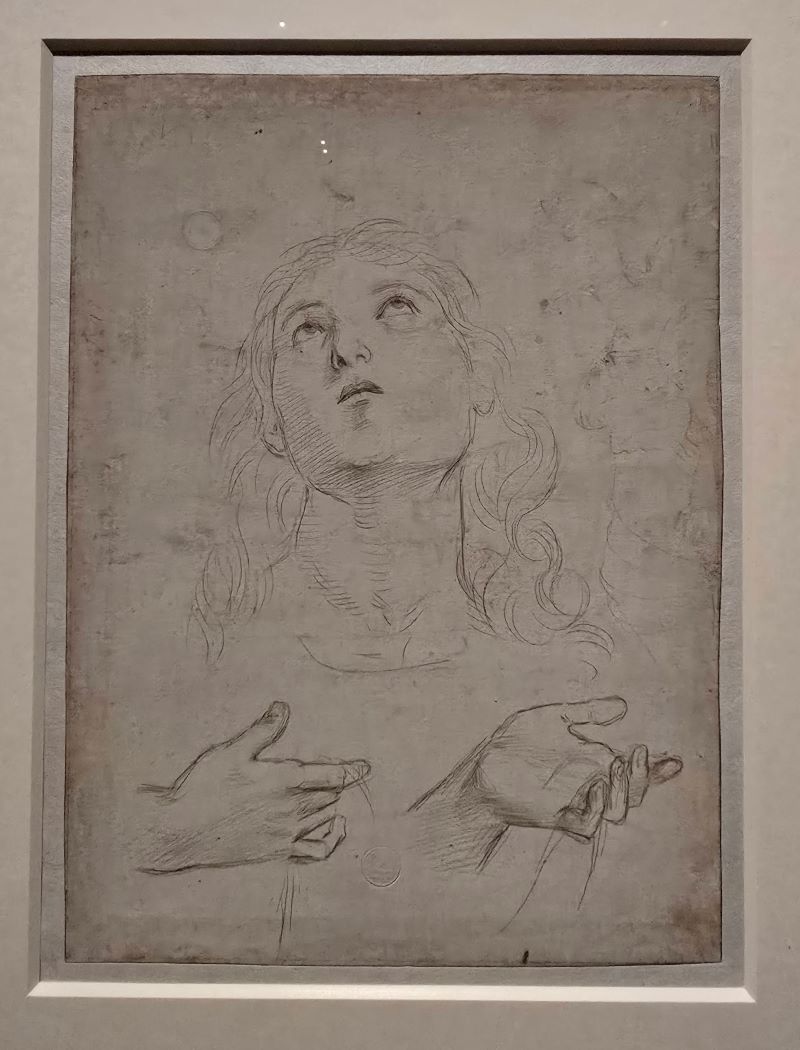
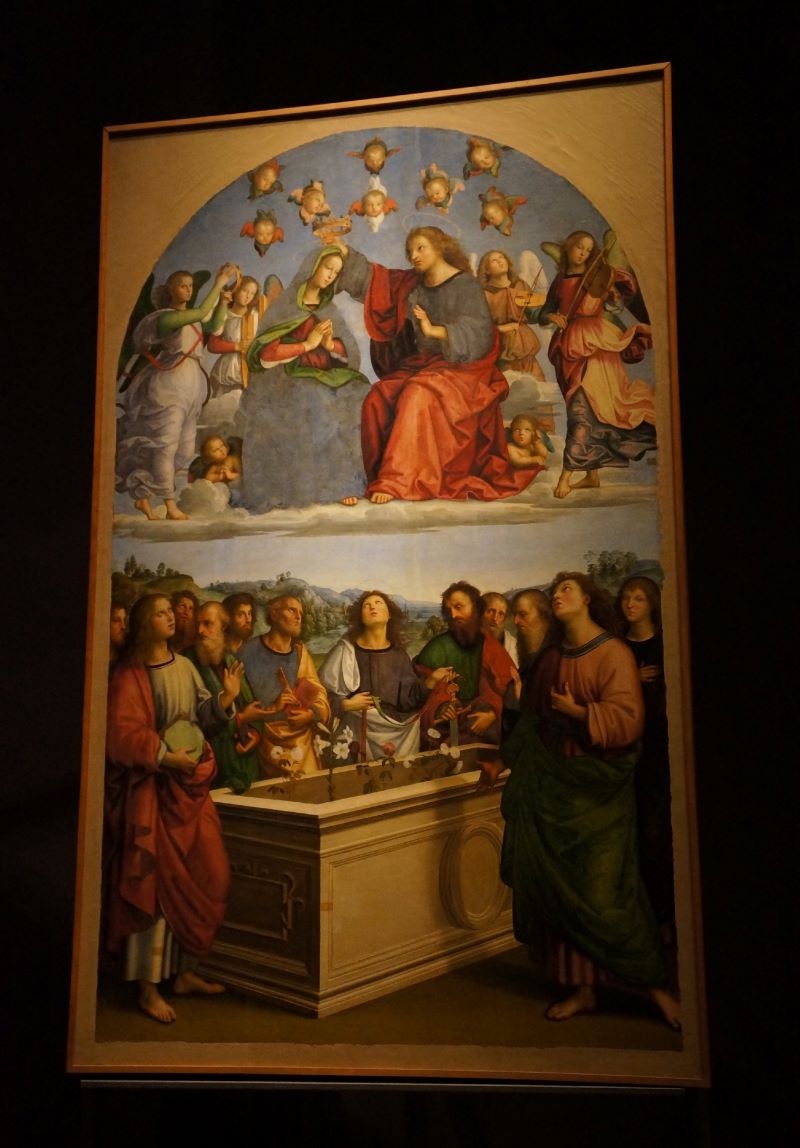
This young man is witnessing the Assumption of the Virgin Mary, moving from doubt to belief in a single instant. I completely agree with the exhibition text that the drawings possess an ethereal quality missing from the finished painting.
Responding to Leonardo and Michelangelo
In 1504, twenty-one-year-old Raphael arrived in Florence.
There, he studied Michelangelo’s sculpture and Leonardo da Vinci’s paintings and drawings, especially Leonardo’s sketching techniques. Florence at the time was brutally competitive. Raphael struggled to win major public commissions or large altarpiece projects.
But eventually he found his breakthrough in a different genre.
Madonnas
Raphael became famous for paintings of the Madonna and Child, especially the so-called Madonna of Tenderness: intimate images of mother and infant touching cheek to cheek.
These works were usually relatively small and intended for wealthy private homes rather than churches. The healthy child and loving mother carried emotional as well as religious meaning. Childbirth in Renaissance Europe was dangerous, and maternal mortality rates were high.
Raphael’s own mother likely died from childbirth complications when he was only eight years old.
Suddenly these serene, beautiful Madonnas begin to feel less sentimental and more personal.
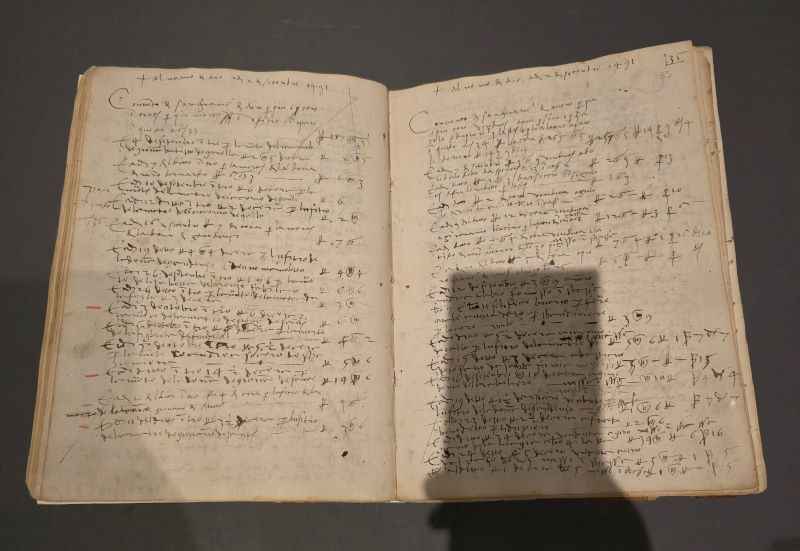
Raphael inherited the tradition of depicting the Virgin Mary as an elegant blond aristocratic beauty, but he pushed the genre further. His Madonnas became more natural, more emotionally convincing, and above all, more human.
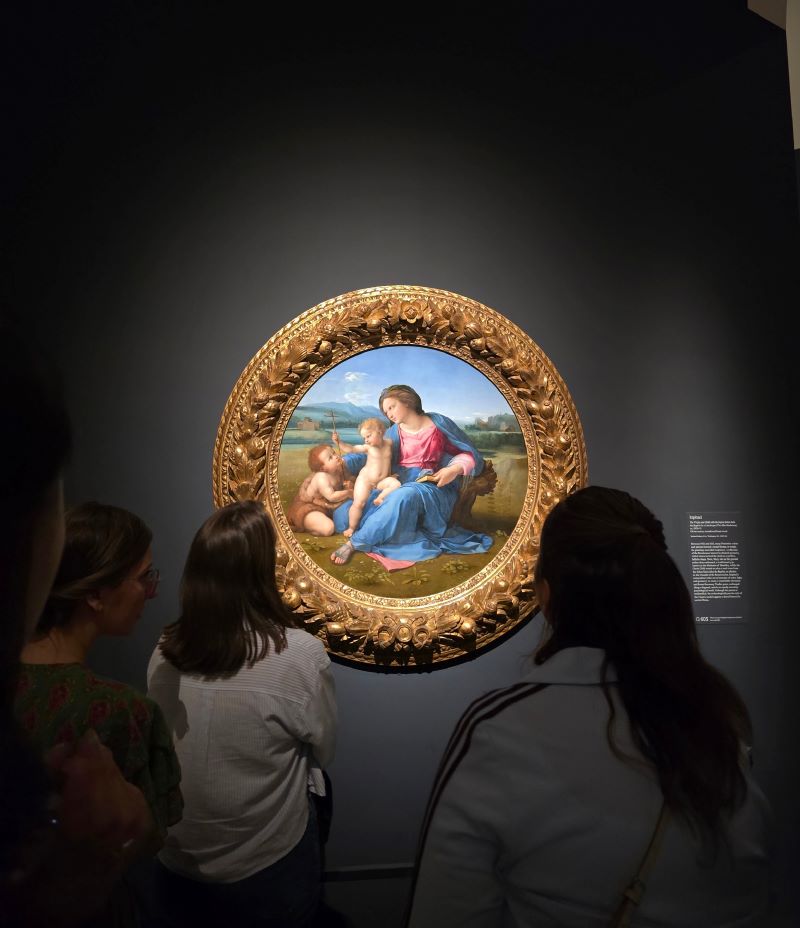
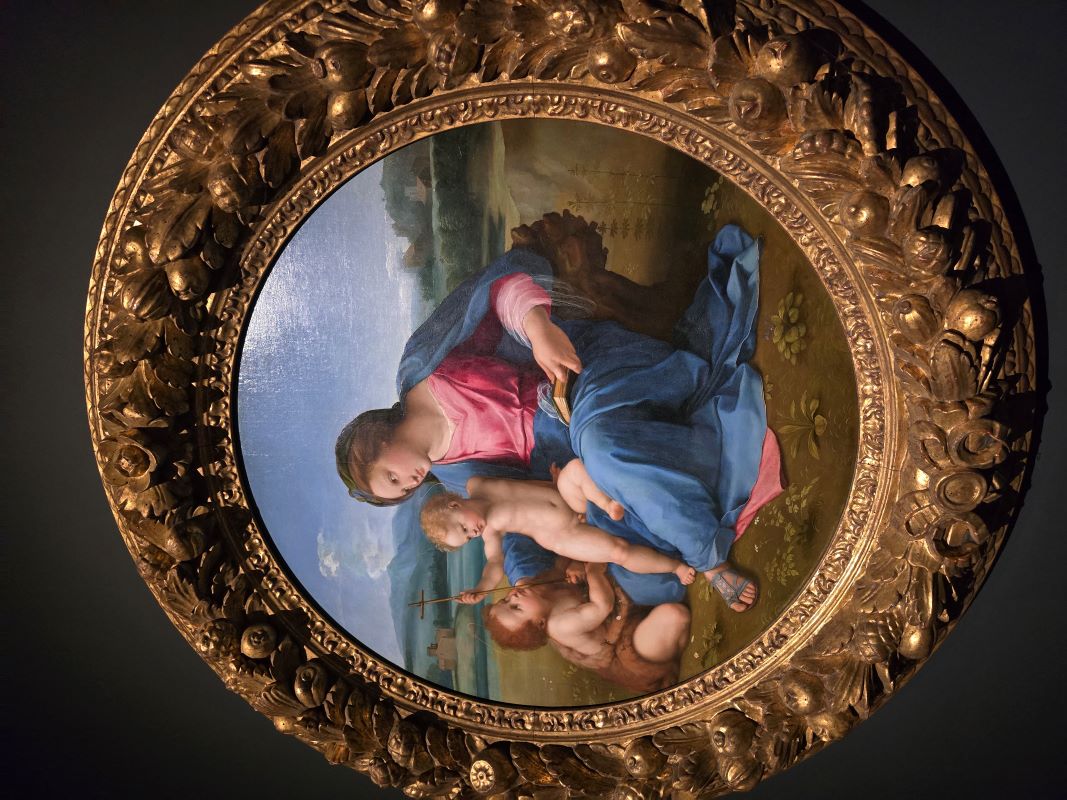
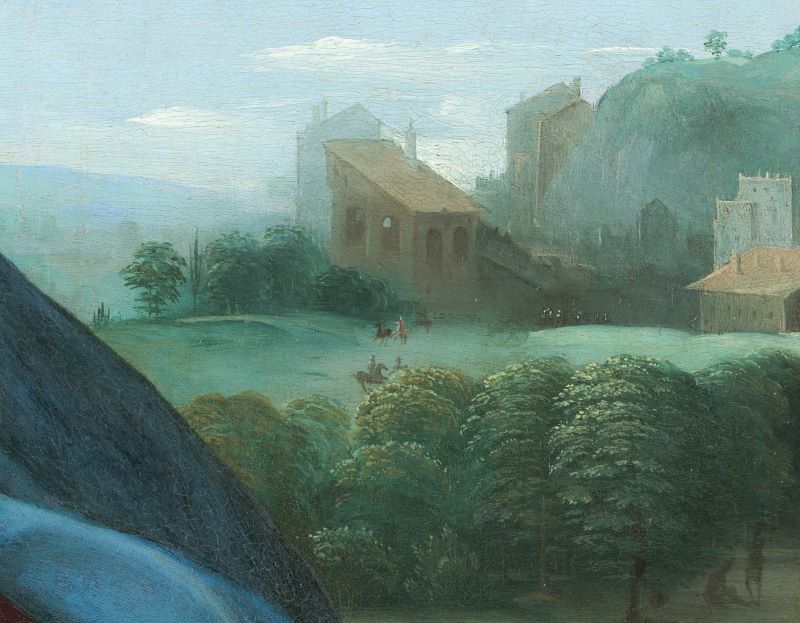
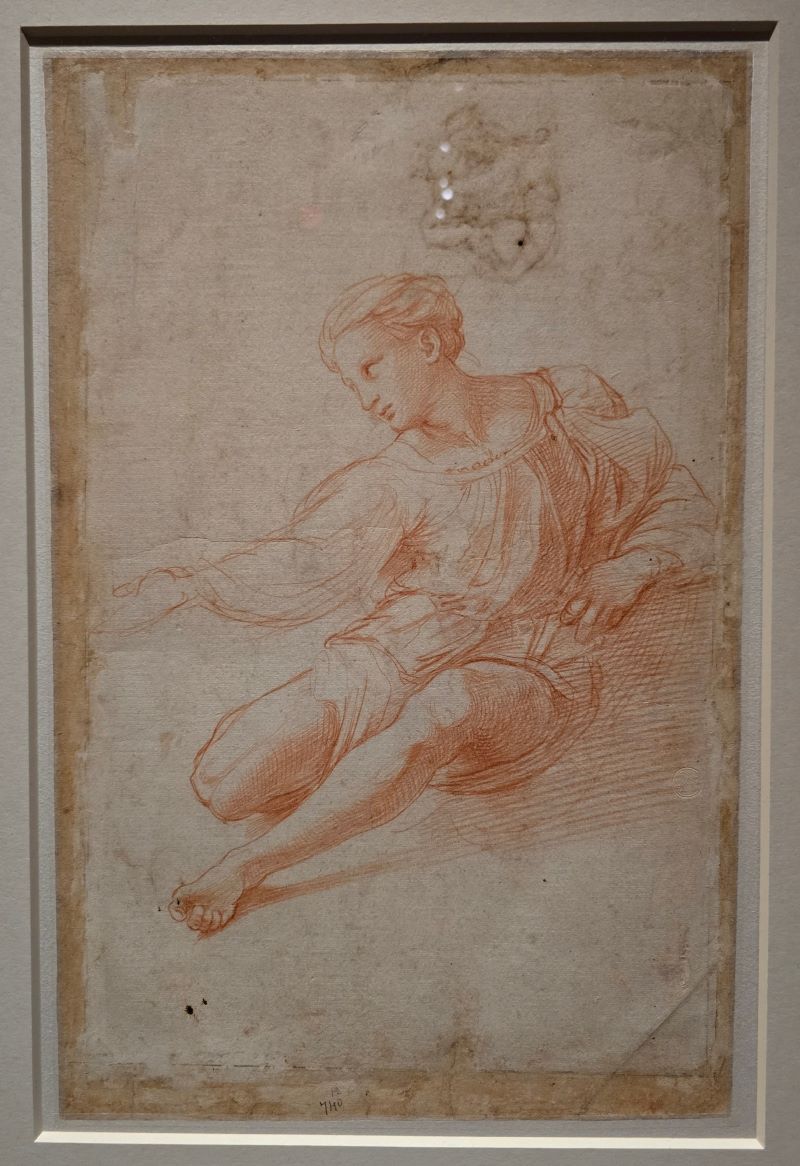
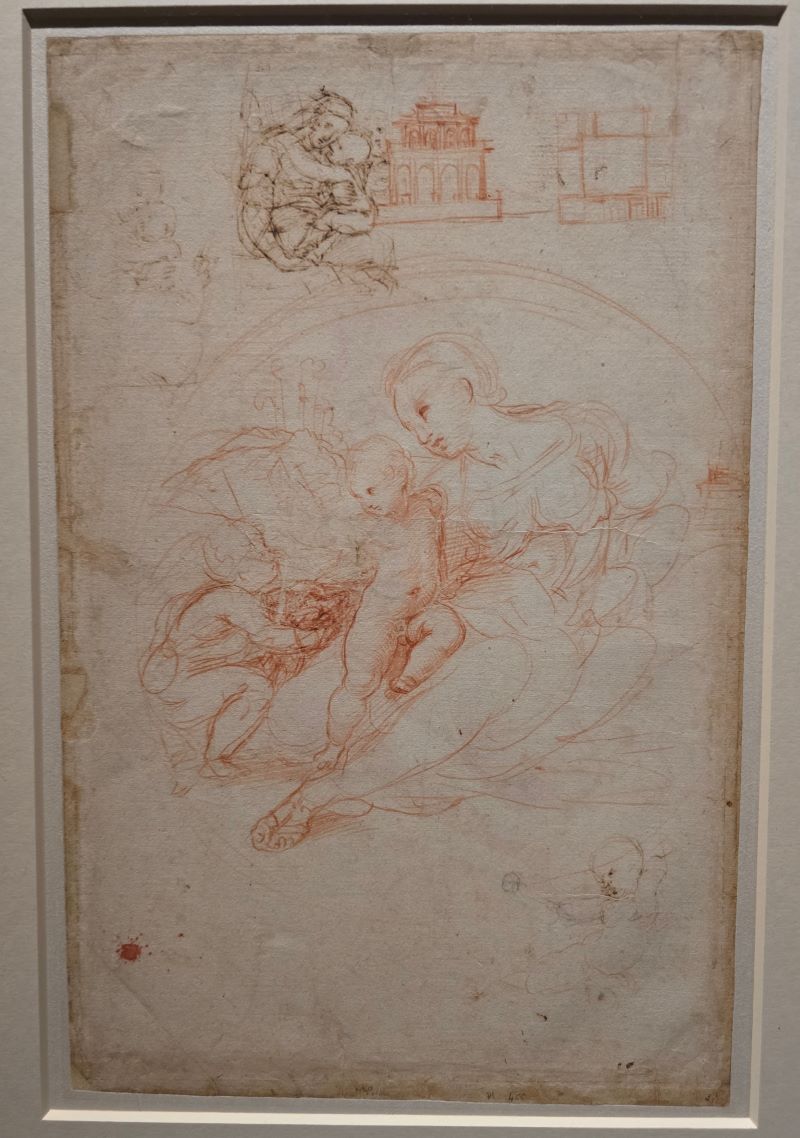
Nearby were several other Madonna paintings, all beautiful, but personally none affected me as strongly as the Alba Madonna.
Continuing forward, the exhibition moved into its second major highlight:
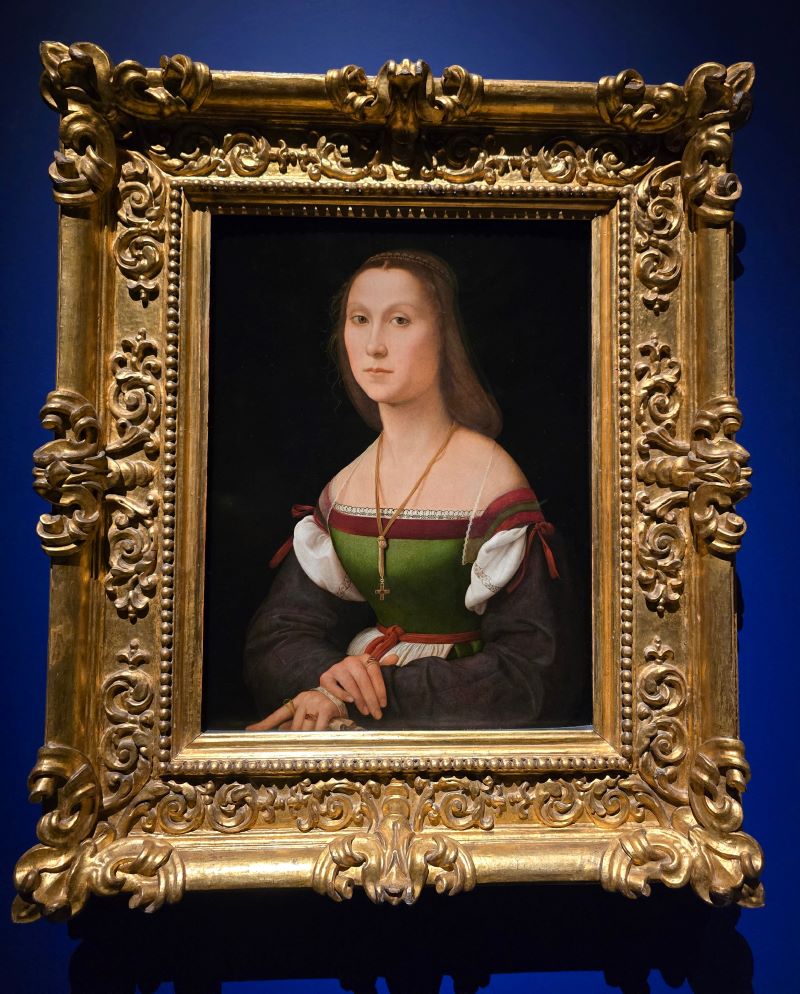
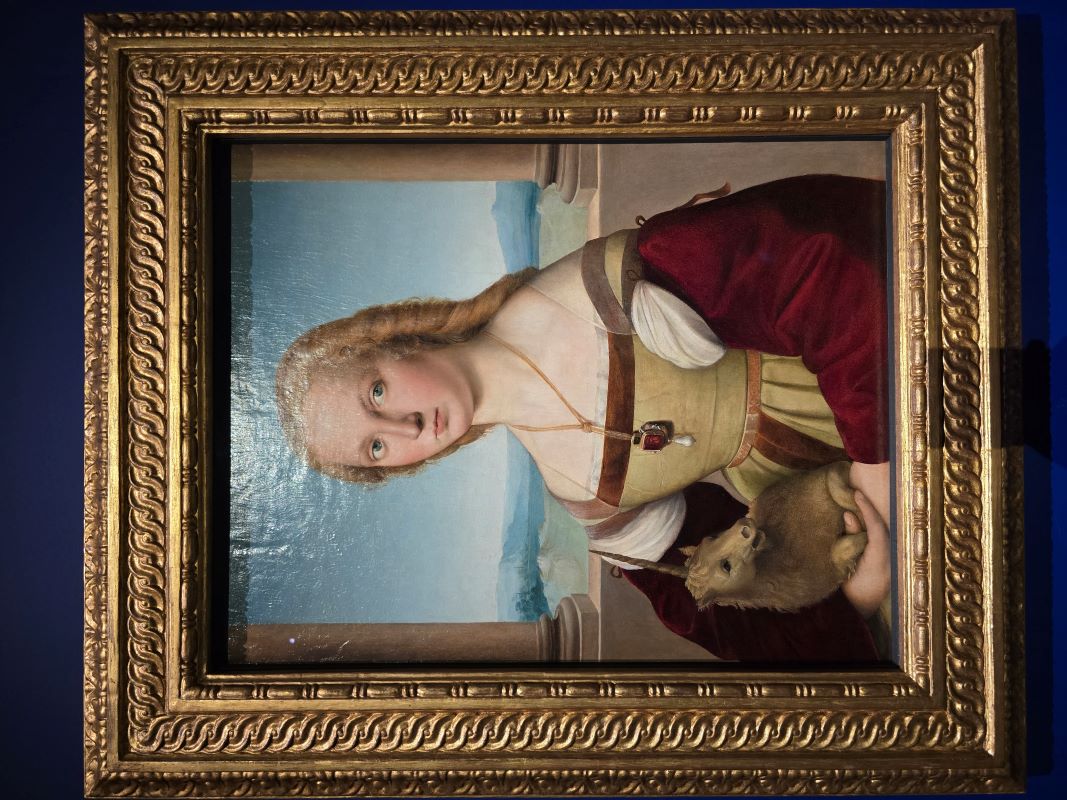
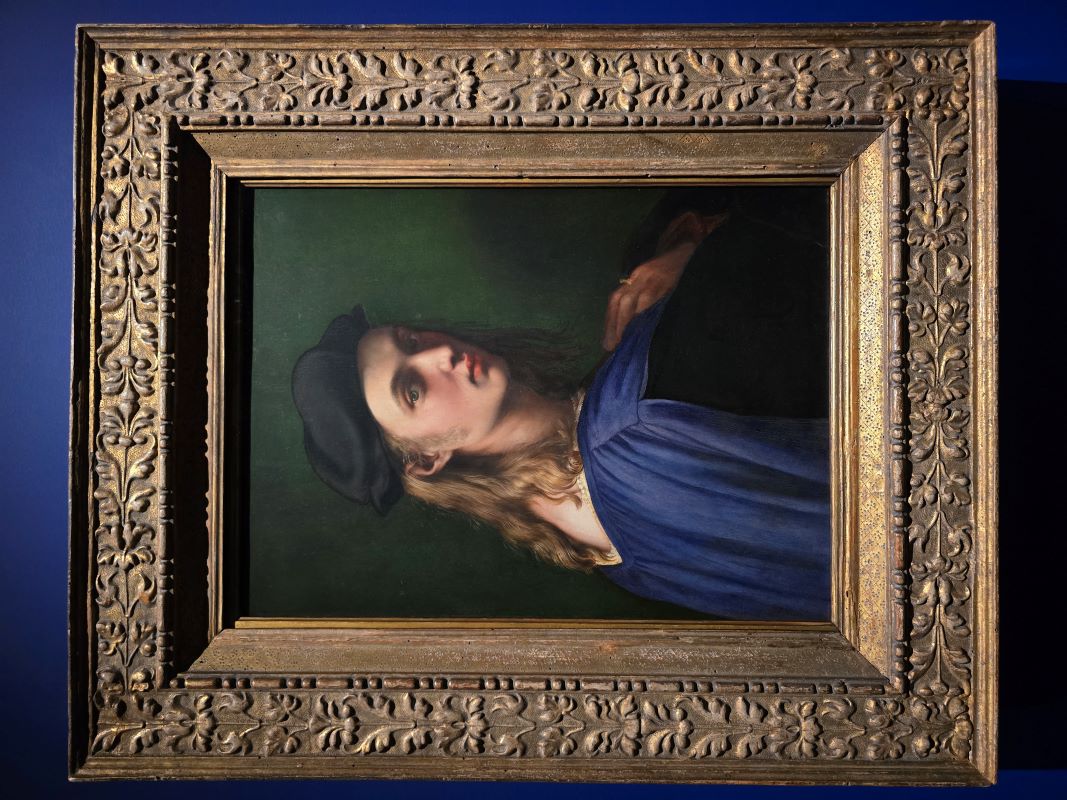
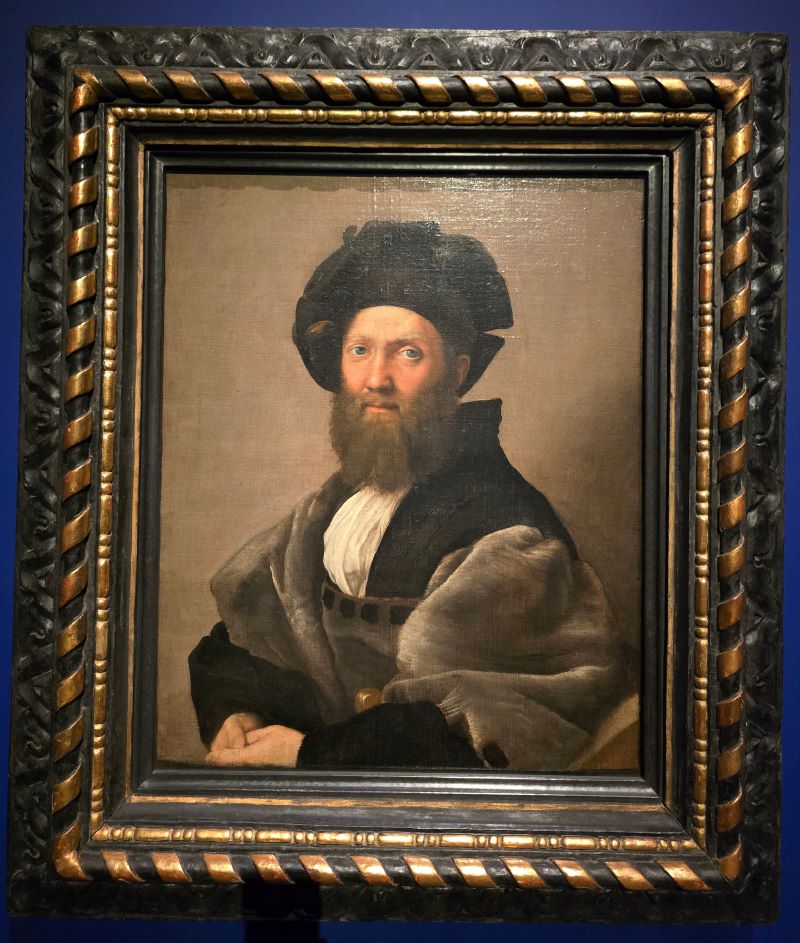
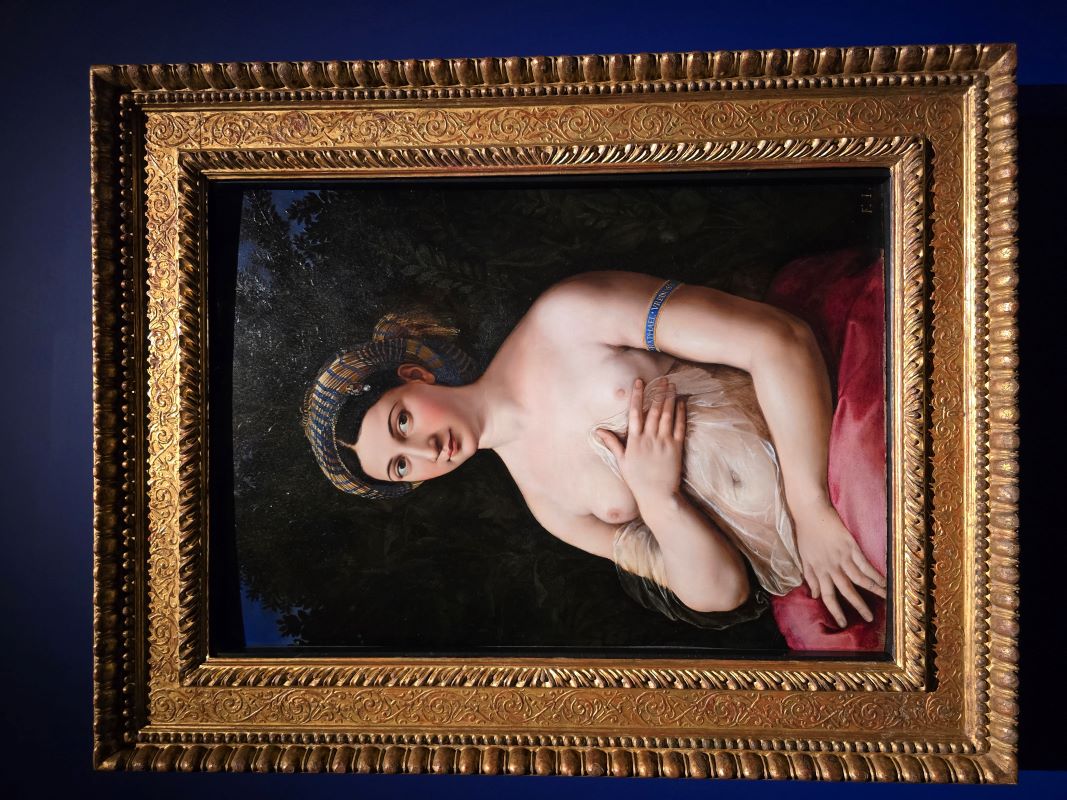
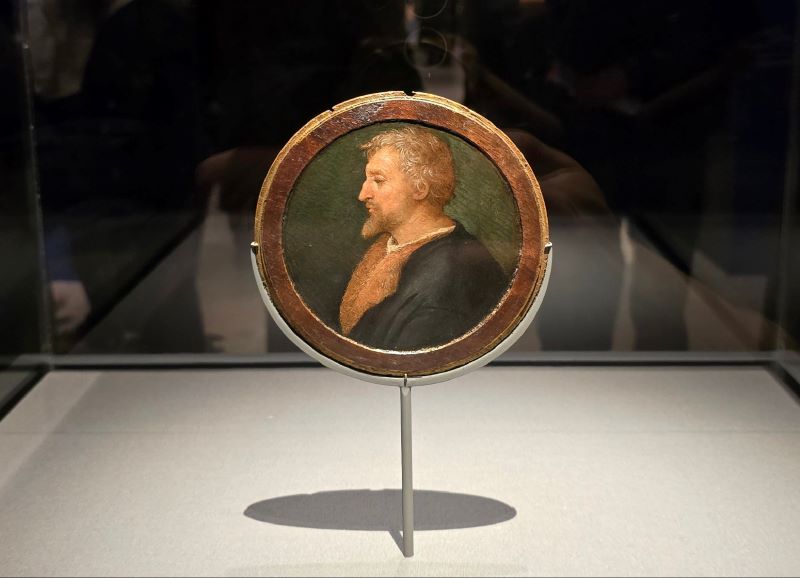
Portraits
Portrait painting was still a relatively new genre in Raphael’s time. Many of the sitters shown here were not only patrons, but also Raphael’s personal friends.
Rome and the Power of the Workshop
Raphael arrived in Rome in 1508.
The three great Renaissance masters each had dramatically different personalities. Leonardo was notorious for abandoning unfinished projects. Michelangelo fought obsessively with both patrons and marble blocks. Raphael, by contrast, was diplomatic, efficient, technically brilliant, and easy to work with. Patrons loved him.
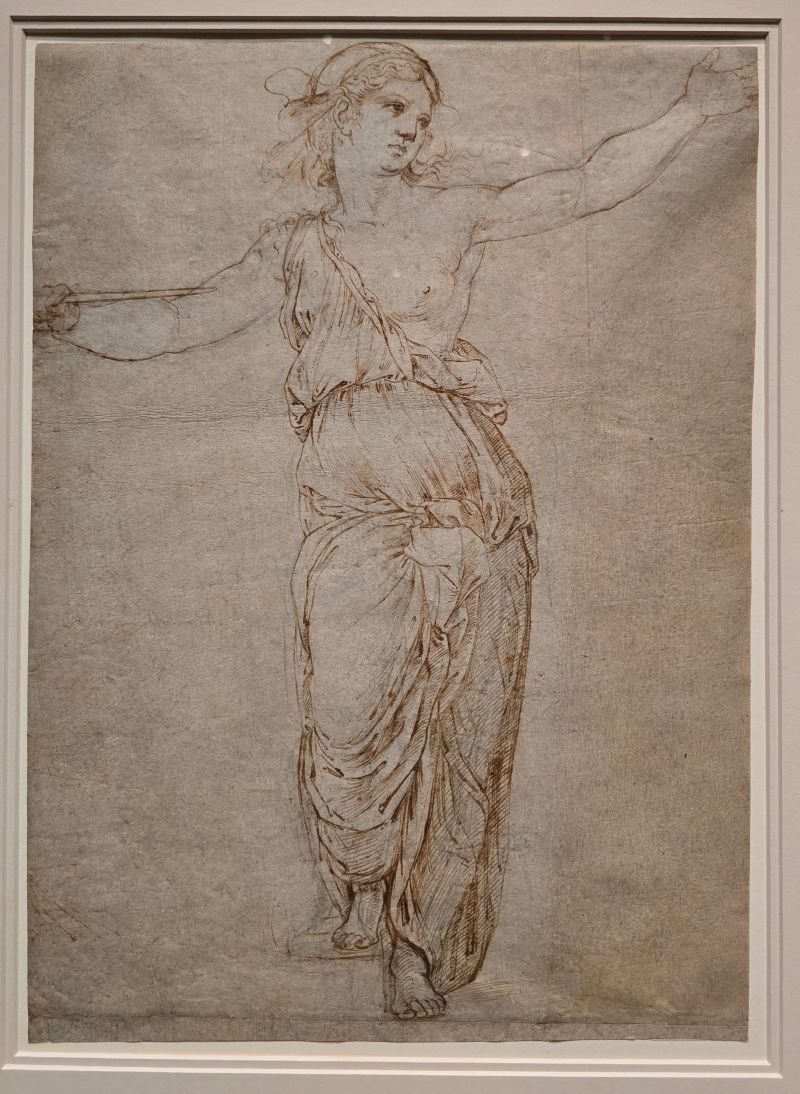
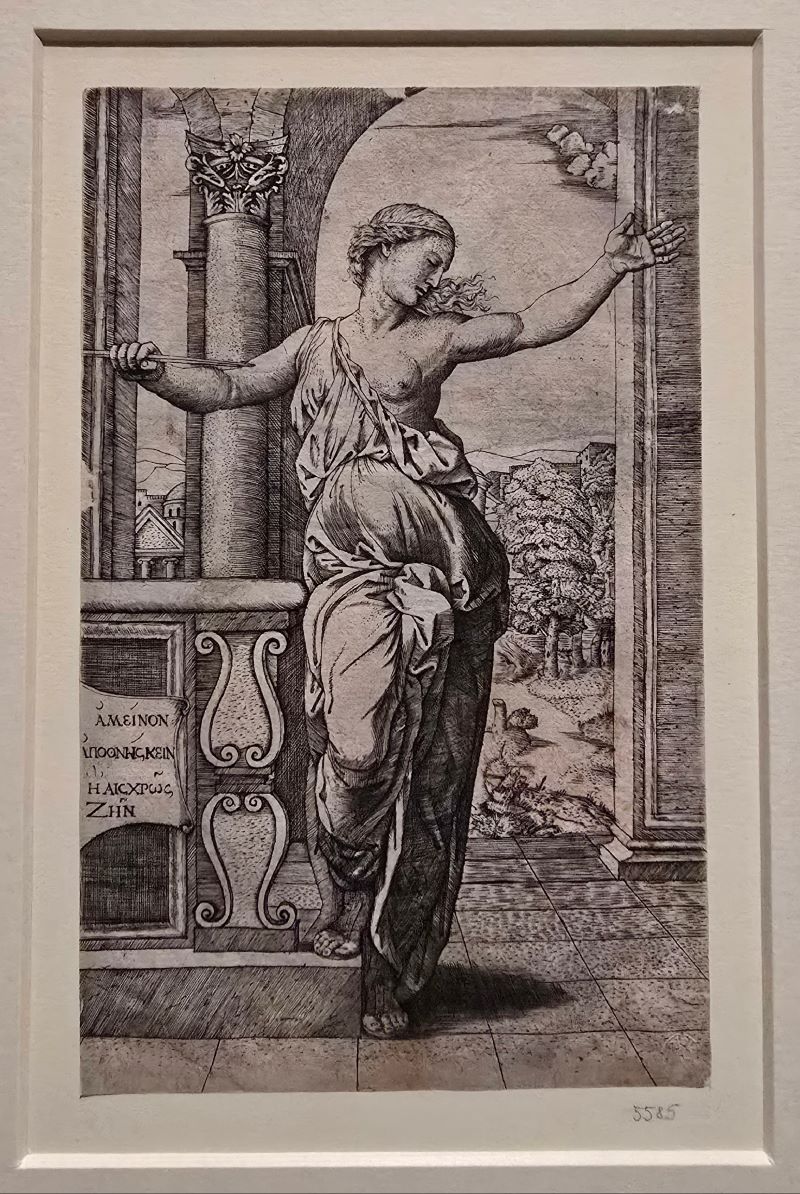
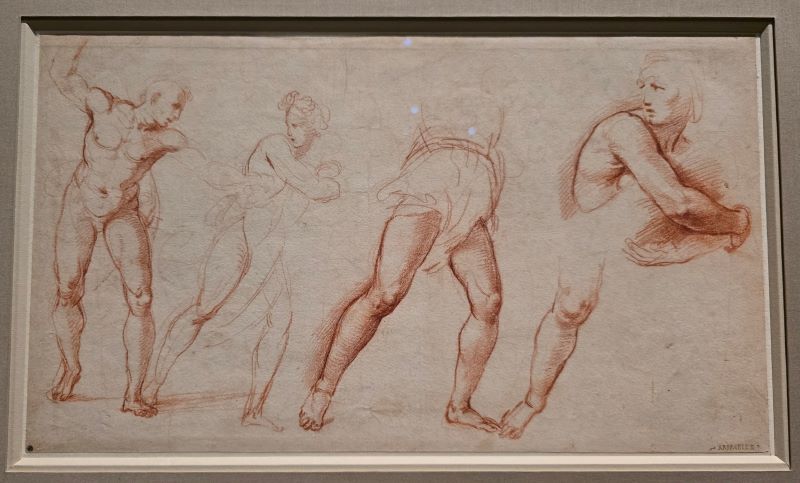
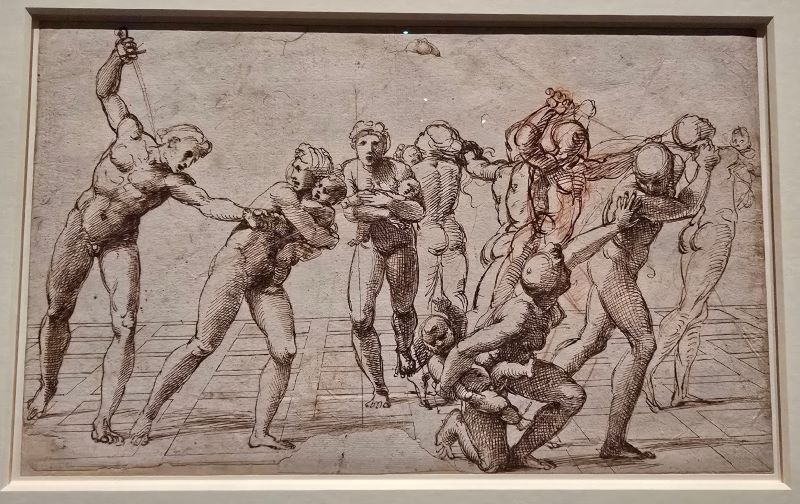
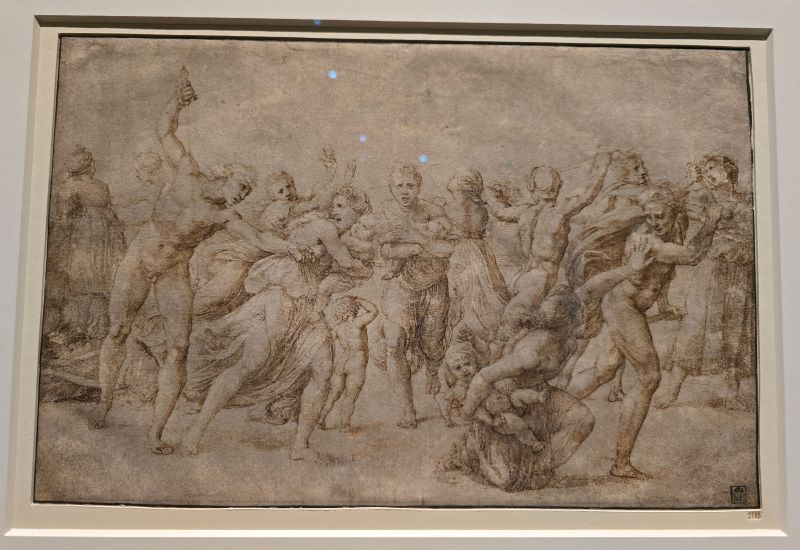
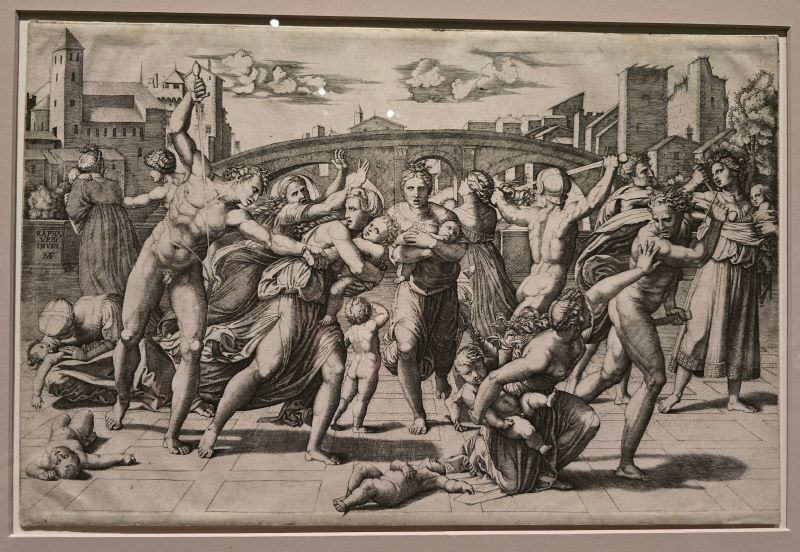
As commissions poured in, Raphael gradually built a large workshop capable of executing his ideas at enormous scale—something Michelangelo famously mocked him for. Raphael would produce compositional drawings, while assistants and printmakers helped transform them into paintings and engravings that circulated across Europe.
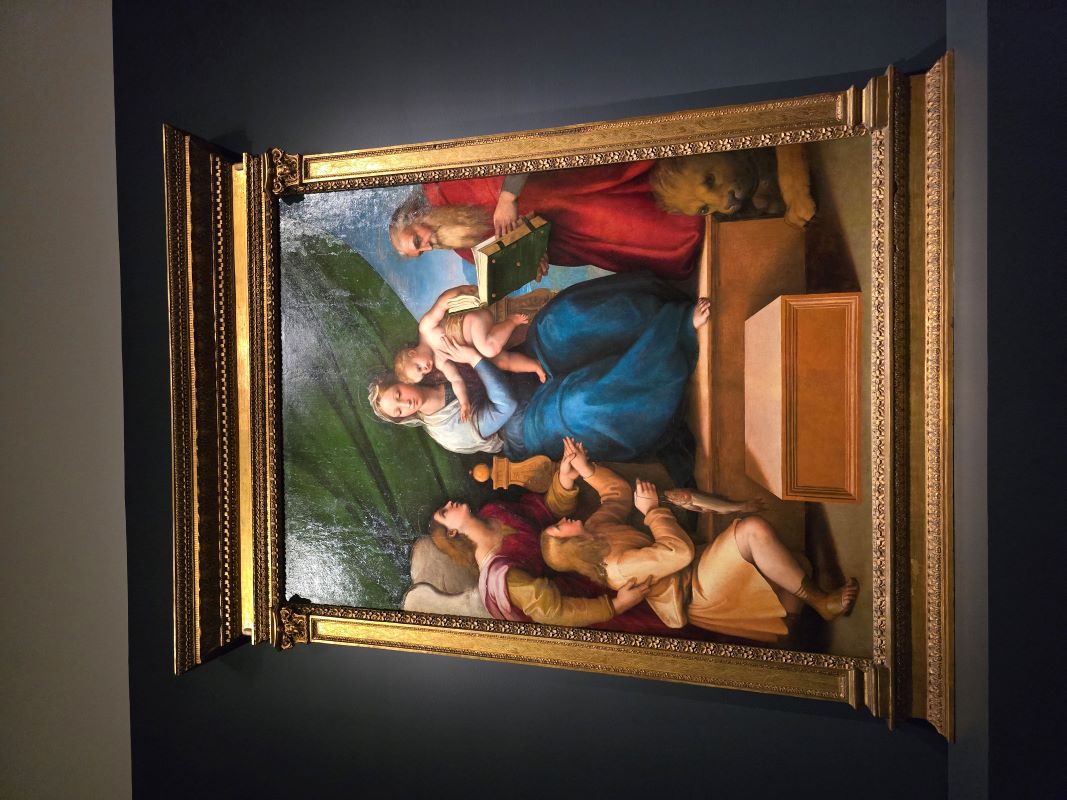
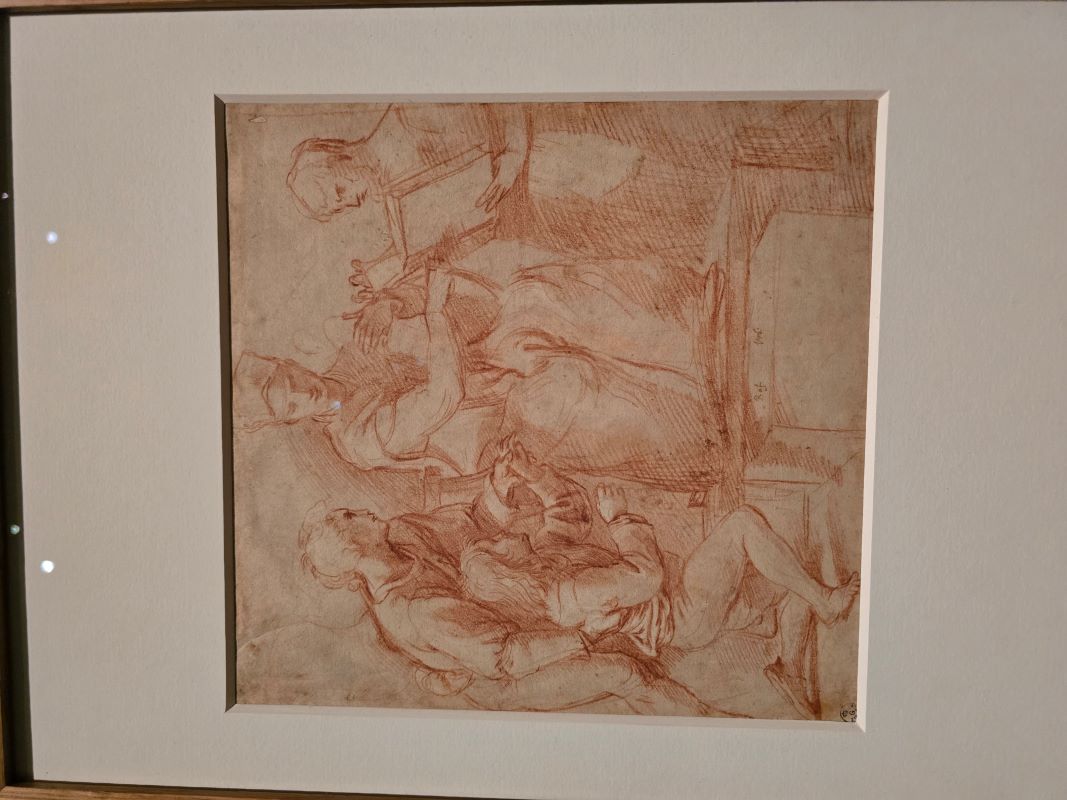
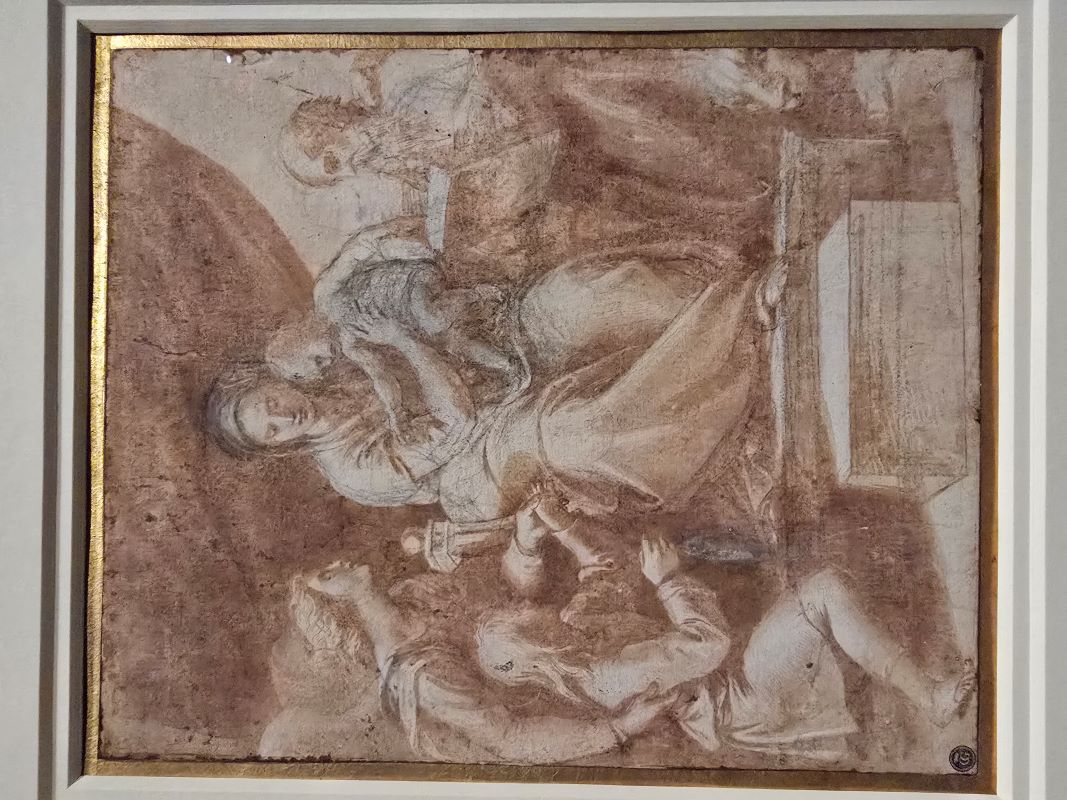
The Madonna of the Fish
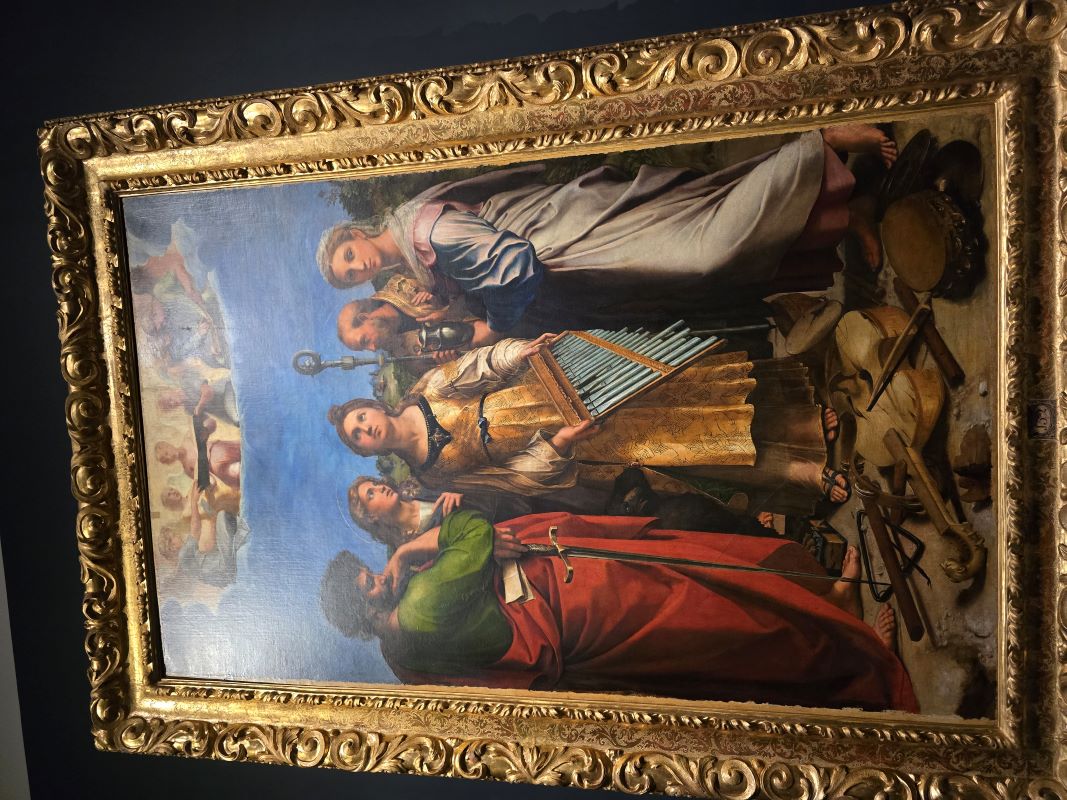
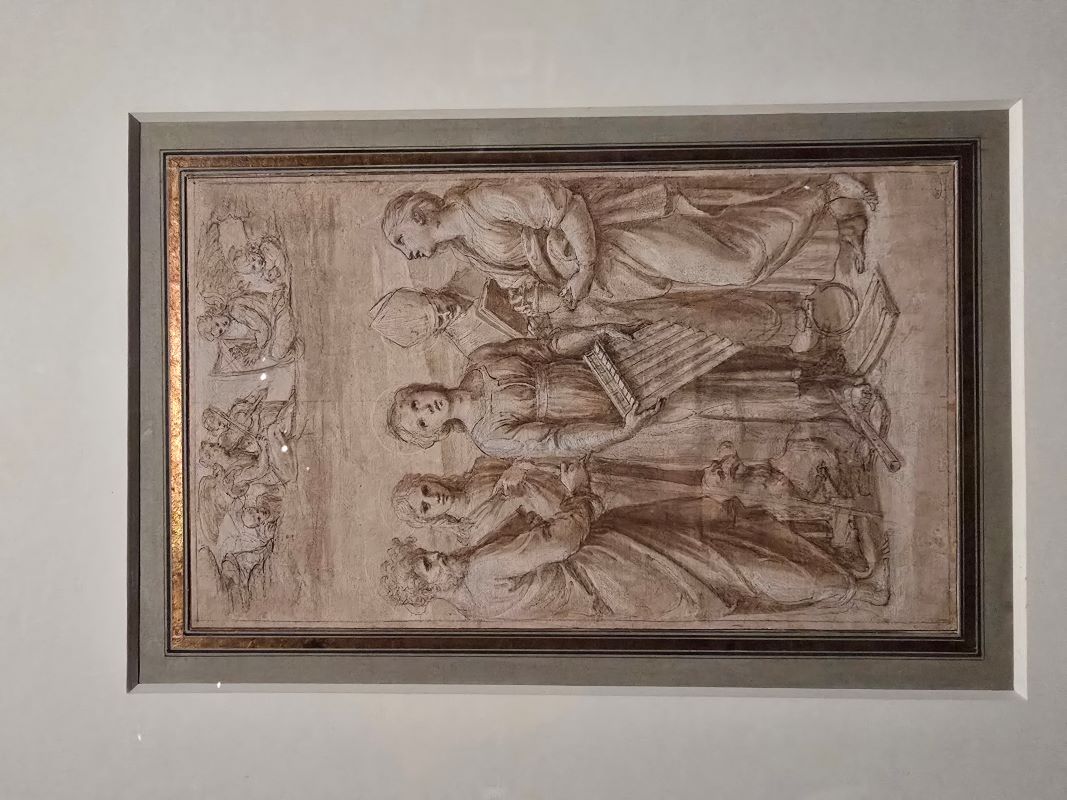
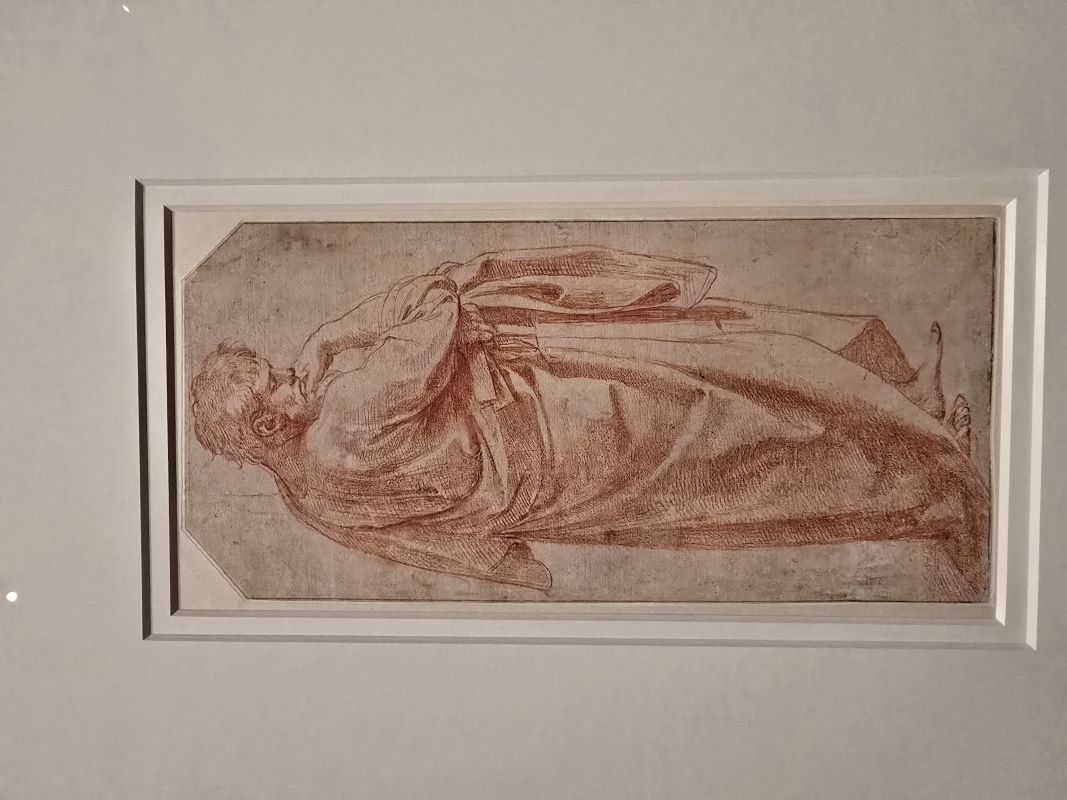
The Ecstasy of Saint Cecilia
The Raphael Rooms
Recommended by his fellow Urbino native Bramante, chief architect of Saint Peter’s Basilica, Raphael began painting frescoes for the pope.
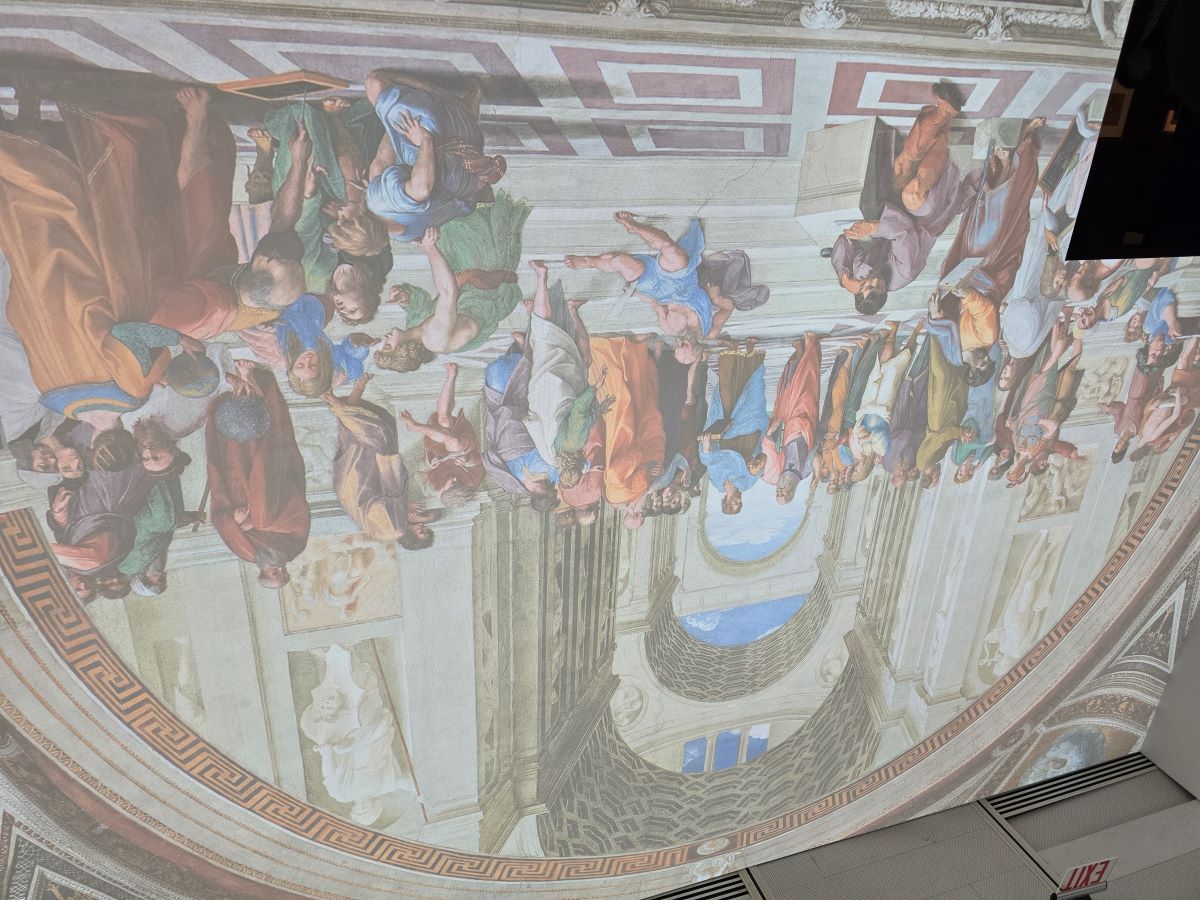
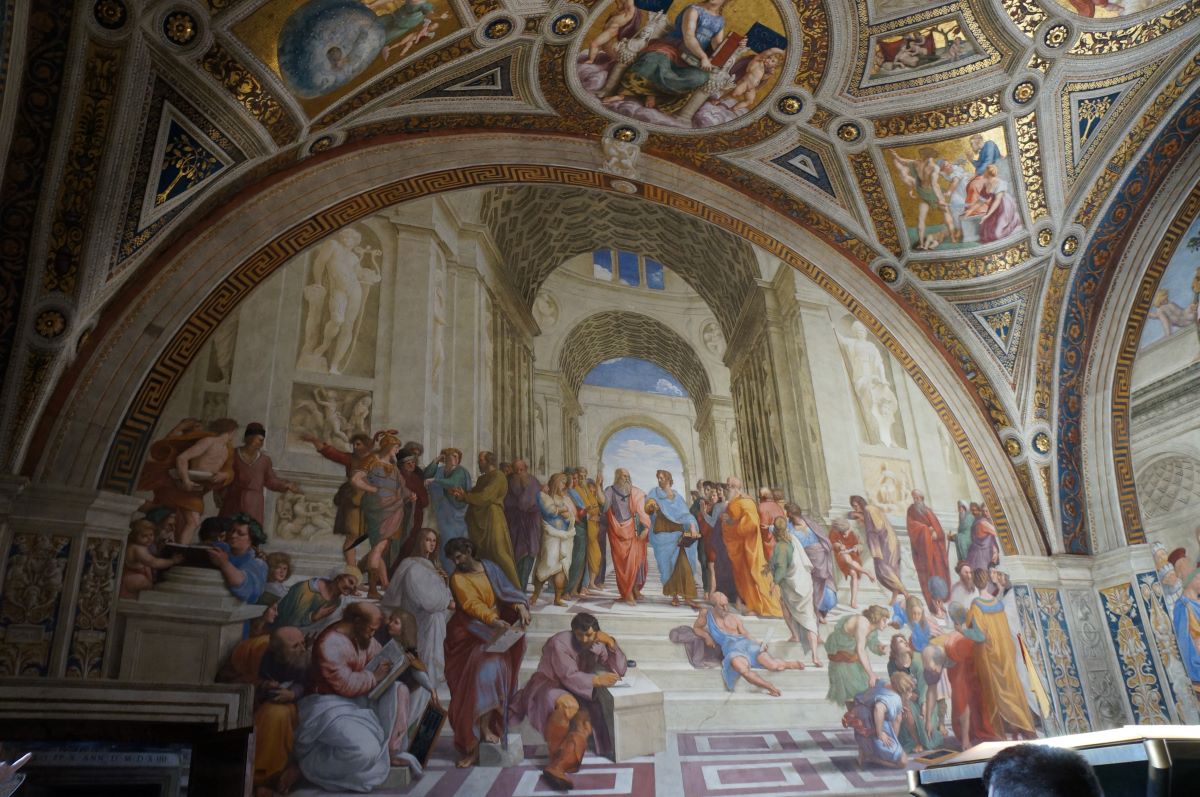
The pope was so pleased with the results that Raphael soon found himself responsible for more and more projects, eventually producing the vast decorative cycles now known as the Raphael Rooms. Their walls and ceilings contain some of the most famous frescoes of the Renaissance, including The School of Athens.
Naturally, the Vatican could not exactly ship entire frescoed rooms to New York. Instead, the exhibition created a dark projection chamber cycling through immersive reproductions of the four rooms.
The Sistine Tapestries
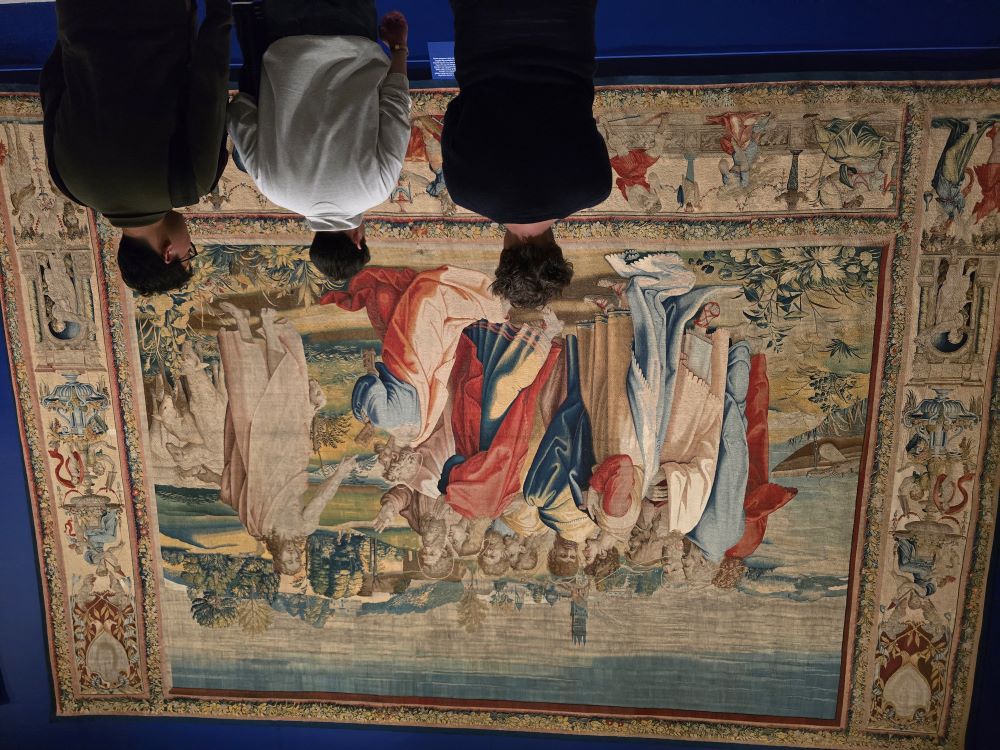
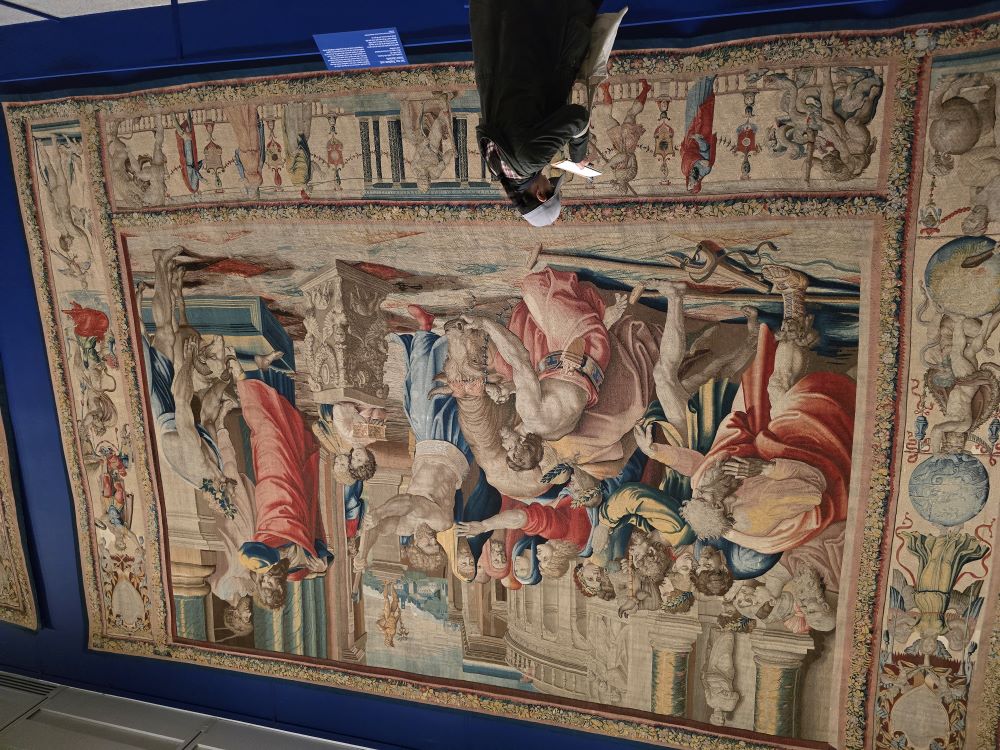
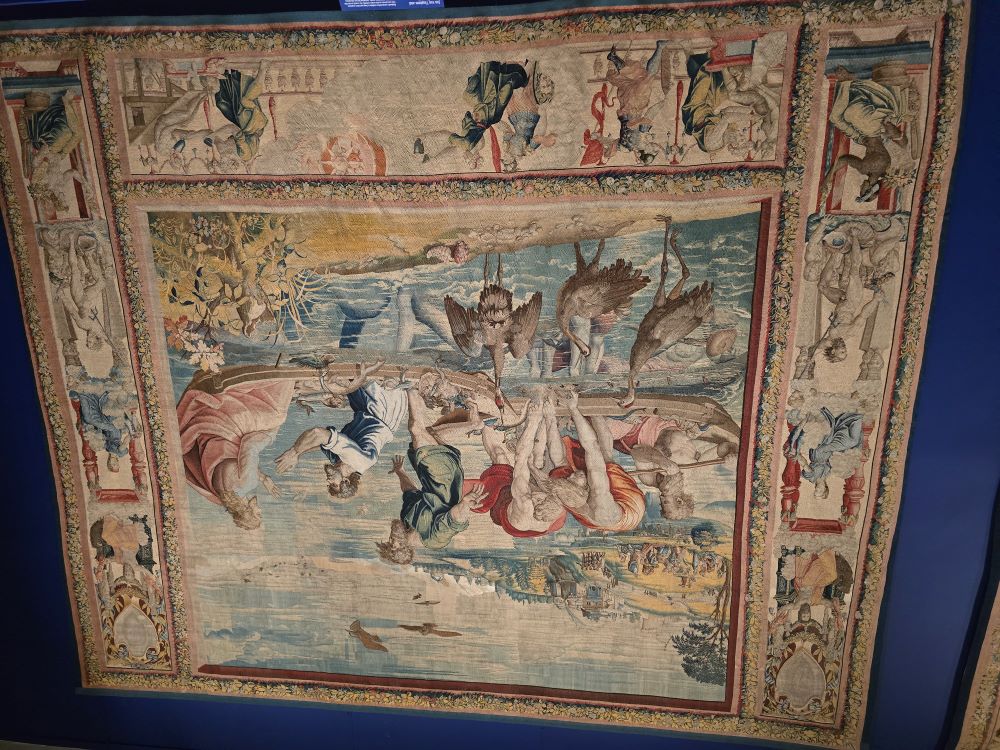
Pope Leo X commissioned Raphael to design a series of monumental tapestries for special ceremonies in the Sistine Chapel.
Part of the project seems to have been an attempt to compete with the memory of Pope Julius II, who had commissioned Michelangelo’s Sistine Chapel ceiling. Leo X was effectively setting Raphael and Michelangelo against each other on the grandest possible stage.
The tapestries were woven in Brussels using silk, gold, and silver threads so expensive that they nearly bankrupted the papacy. European rulers immediately wanted their own sets. The examples shown in the exhibition belonged to King Philip II of Spain.
Their subjects come from the Gospels and the Acts of the Apostles. After centuries, many colors have faded, but one can still sense how staggeringly luxurious they must once have appeared.
Other Works
The Transfiguration
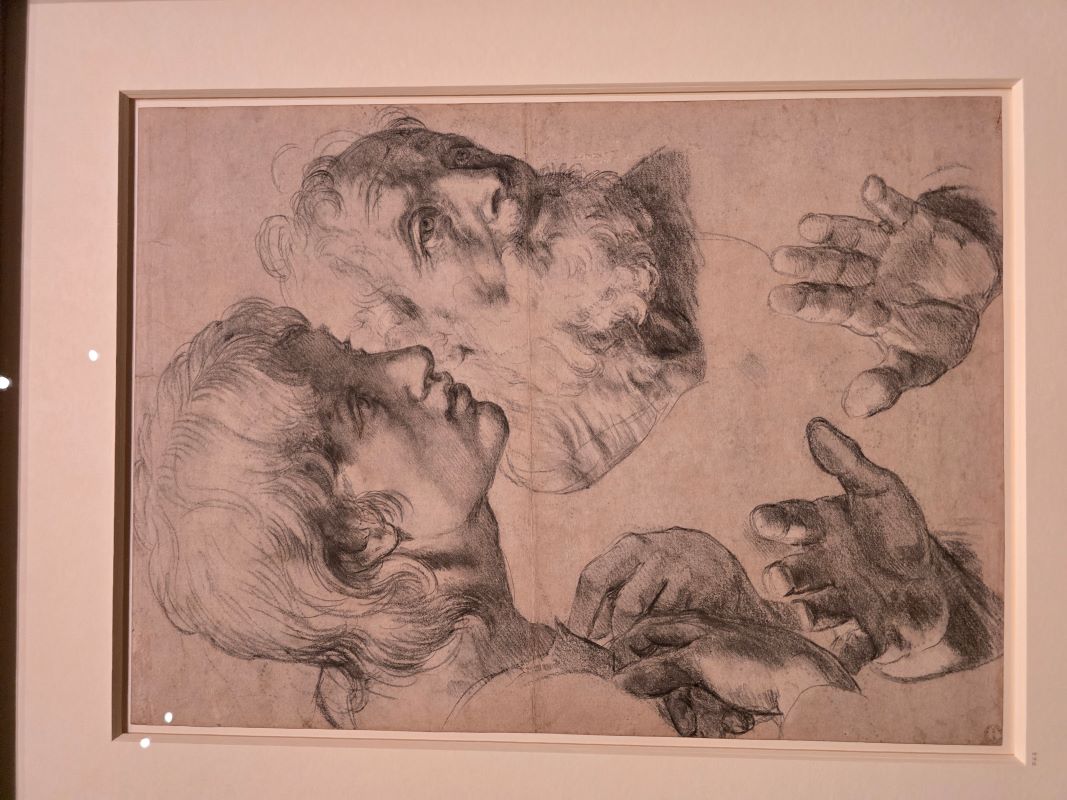
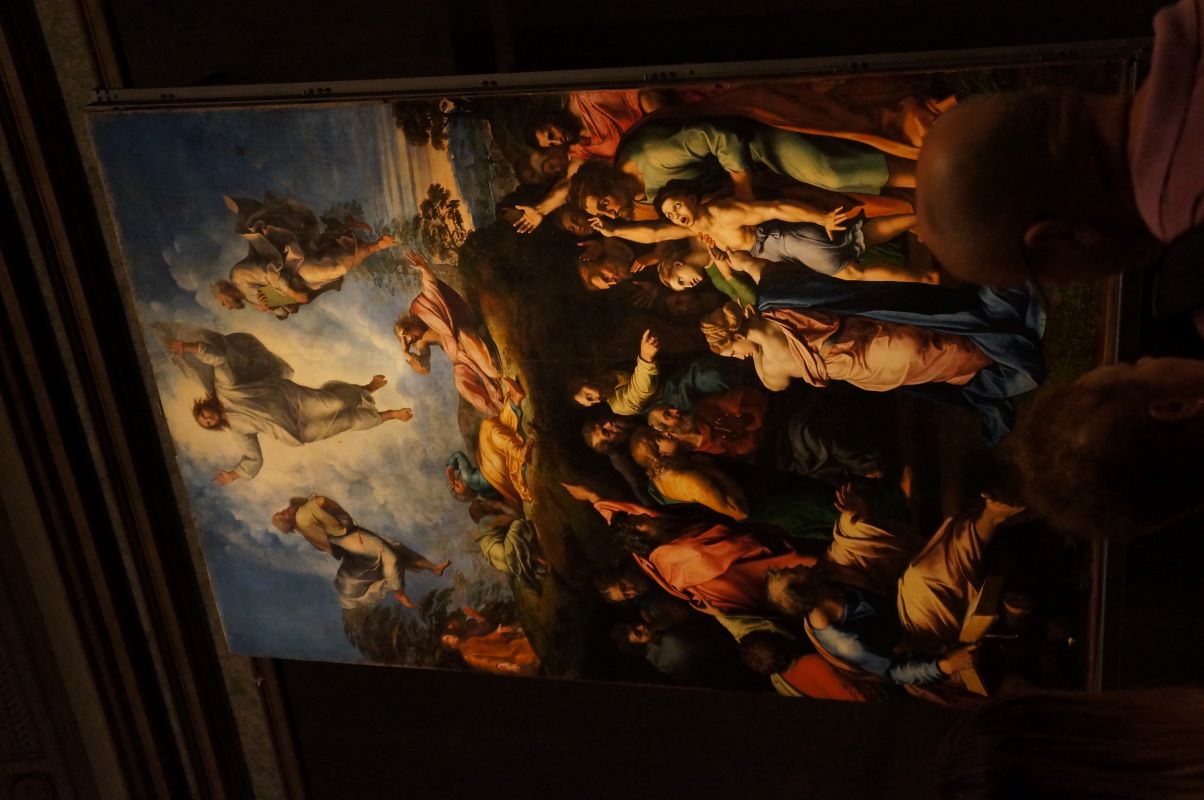
The Transfiguration was Raphael’s final and largest altarpiece. His death interrupted the project, which was later completed by his workshop. The original painting did not travel to New York, but many preparatory drawings were included.
Correspondence with Dürer
Preservation of Ancient Rome
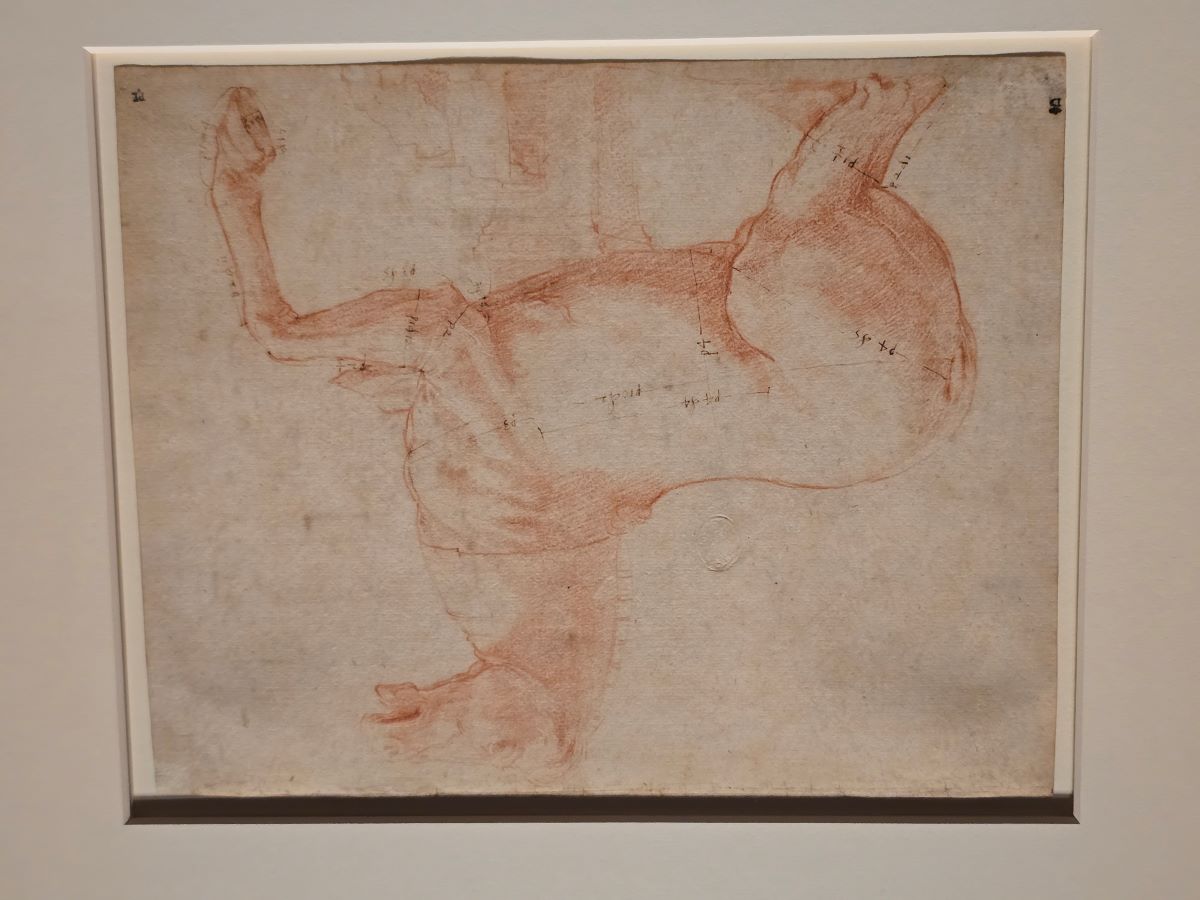
After Bramante died in 1514, Raphael succeeded him as chief architect of Saint Peter’s Basilica. He later became responsible for surveying and protecting the ancient monuments of Rome.
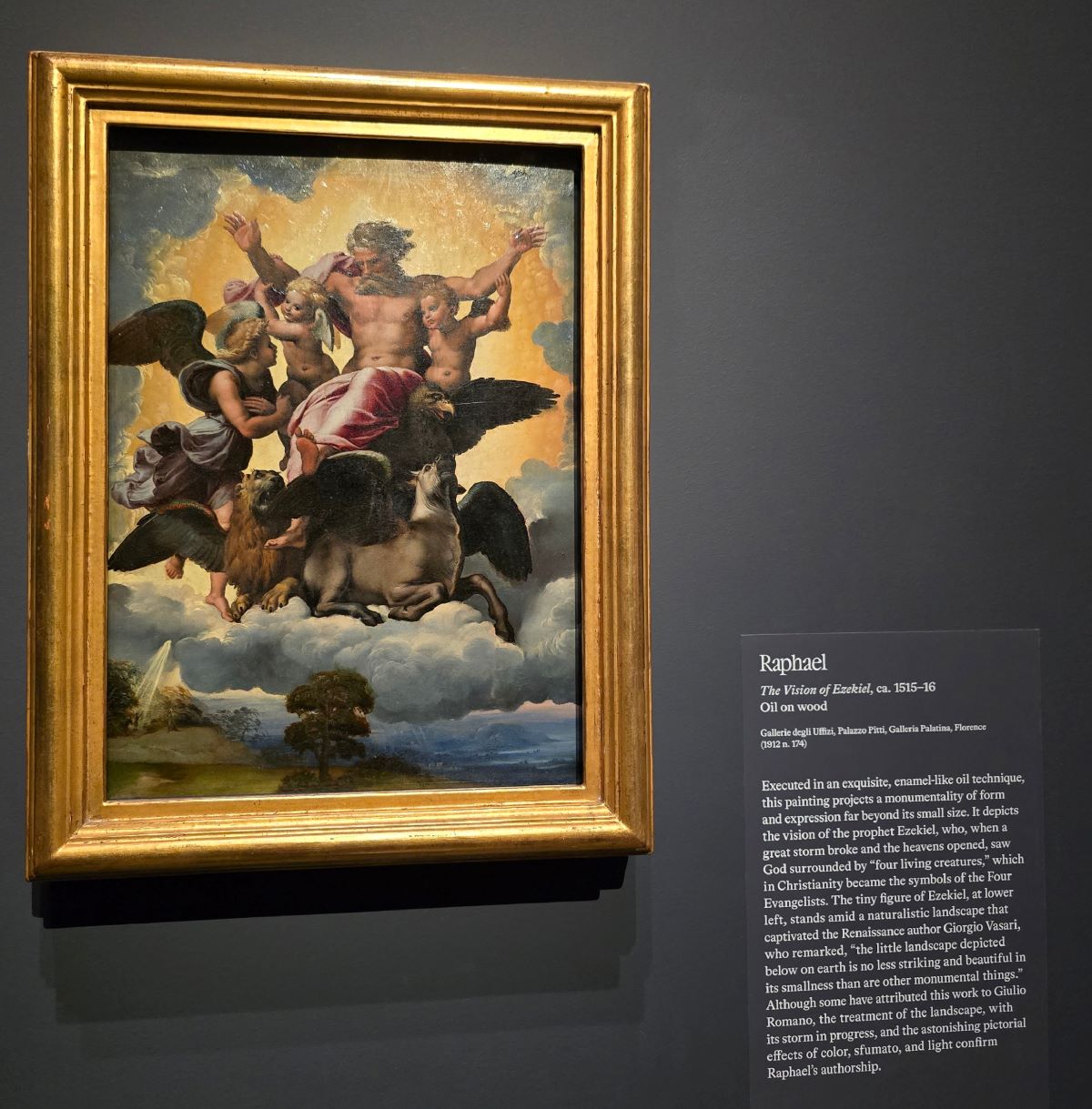
The Vision of Ezekiel
Death
At the height of his career, Raphael was simultaneously directing a massive workshop, decorating the Vatican rooms, overseeing construction at Saint Peter’s Basilica, and managing preservation projects for the ancient ruins of Rome.
Then, on April 6, 1520, he suddenly died at the age of thirty-seven and was buried in the Pantheon.
The cause of death remains uncertain. Some blamed poisoning by rivals. Others blamed excessive romantic activity. Personally, I suspect it may have had something to do with sprezzatura itself—that cultivated elegance which hides all visible strain. Too many responsibilities, too many expectations, the string pulled tighter and tighter until it finally snapped.
In Vasari’s Lives of the Artists, Raphael is described as possessing an extraordinarily rare humility and kindness. Vasari writes that Raphael could make people of every social class feel welcomed and at ease in his presence.
That line unexpectedly reminded me of Qin Keqing from Dream of the Red Chamber, one of the great Chinese novels. After her early death, characters from every generation and social rank in the household mourn her sincerely: elders remember her respectfulness, peers her warmth, servants her kindness. Everyone loved her.
Part of that ability is probably natural temperament. But part of it must also come from immense emotional effort.
Final Thoughts on the Exhibition
Before this exhibition, my understanding of Raphael was mostly limited to familiar keywords like The School of Athens and “one of the three great Renaissance masters.” Only afterward—especially while writing this essay—did I begin to feel I had some small understanding of the person behind the paintings.
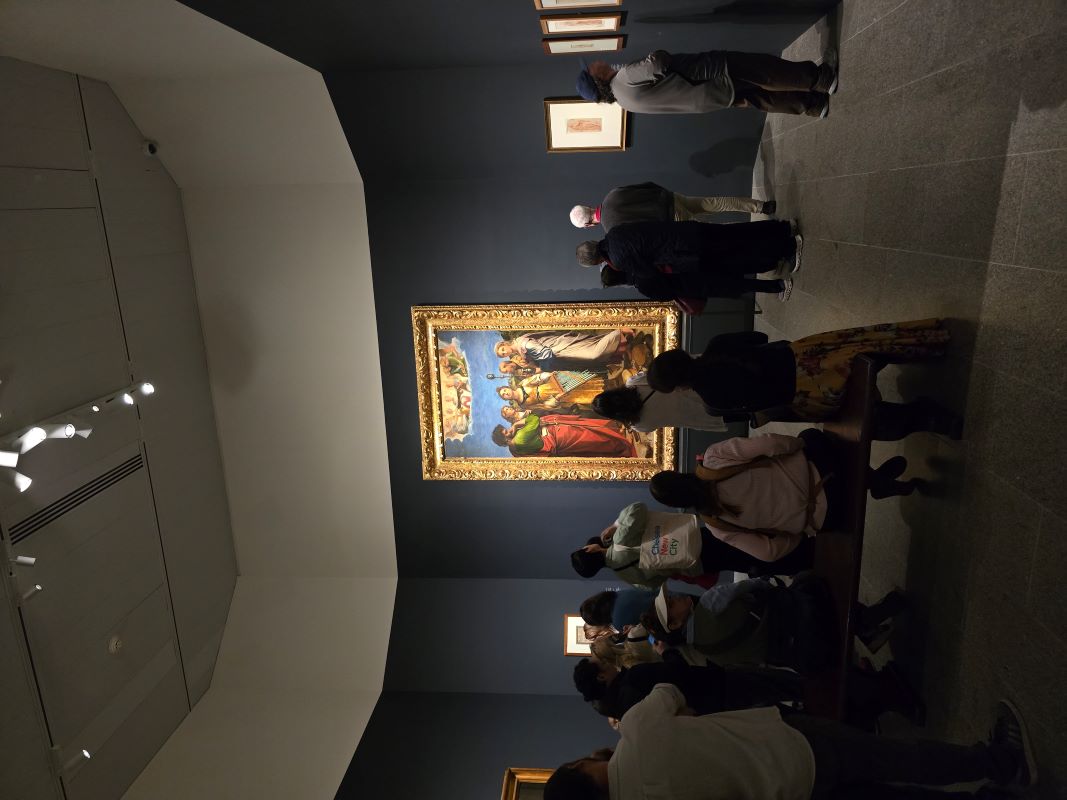
My favorite works in the exhibition were clearly the Alba Madonna and The Ecstasy of Saint Cecilia.
The exhibition runs through June 28, and the Met has quietly continued adding material to the official website. The “Inside the Exhibition” texts appeared online after my visit, while the “Exhibition Objects” section was added even later, when I was nearly finished writing this post. Maybe they are gradually releasing more material to attract additional visitors.
If I had to criticize the exhibition slightly, I would say there were perhaps too many sketches and preparatory studies that felt, to a casual viewer like me, somewhat repetitive (the exhibition contains 33 paintings and 142 drawings by Raphael). Of course, Raphael paintings are major treasures wherever they reside, and borrowing them is incredibly difficult.
Structurally, the exhibition also felt somewhat front-heavy. The early sections followed a very clear narrative arc, while the later sections became more diffuse and sprawling. But perhaps that simply reflects Raphael’s own late career, when he was simultaneously operating across painting, architecture, archaeology, workshop management, and papal politics.
The exhibition also simplified certain historical complexities for the sake of storytelling. For example, the presentation strongly associated the Madonna paintings with Raphael’s Florentine period, even though the Alba Madonna was actually painted later in Rome. But honestly, these are details best left for readers to explore on their own. There’s no reason to overwhelm museum visitors with too many complications.
Appendix
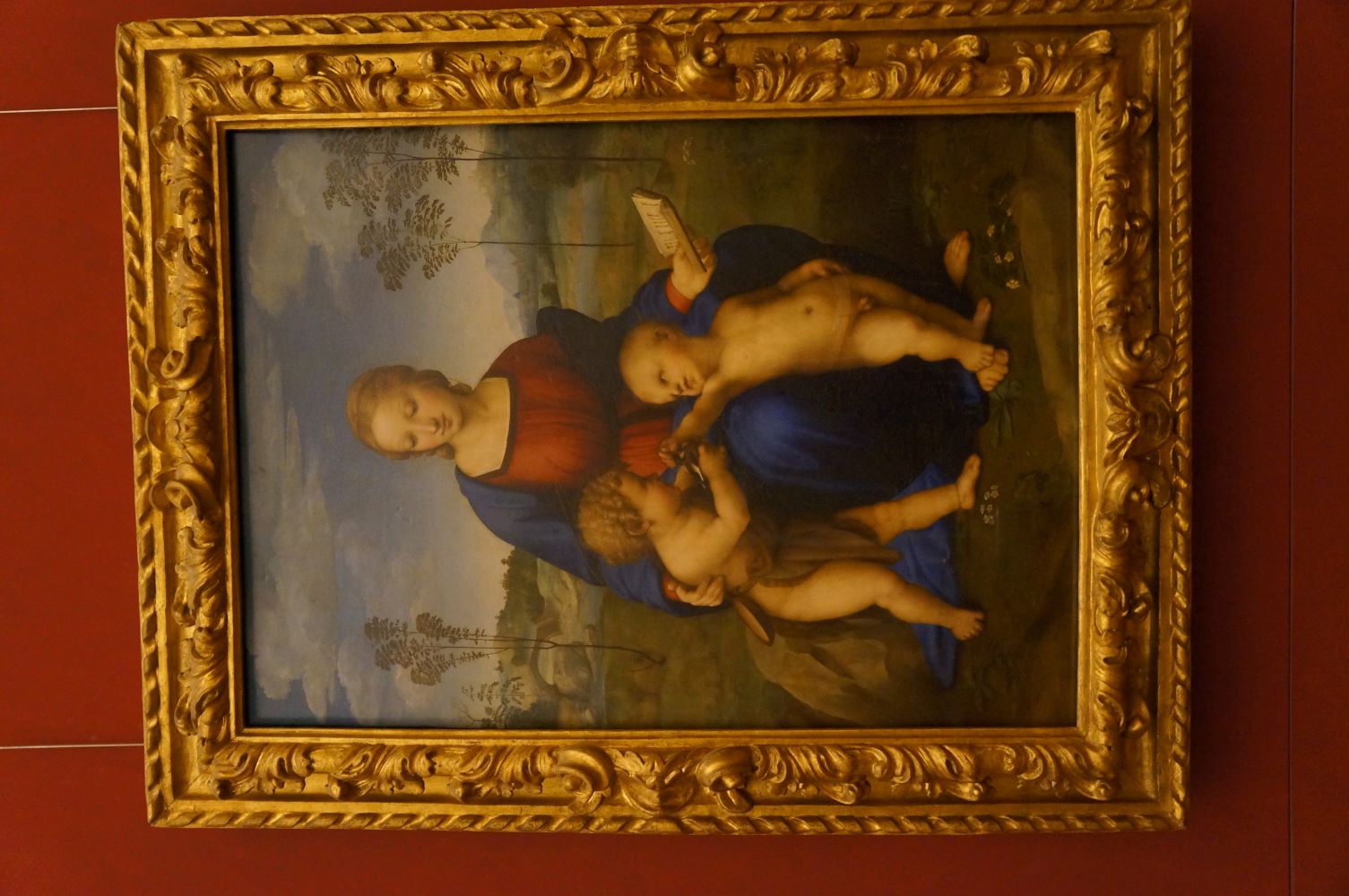
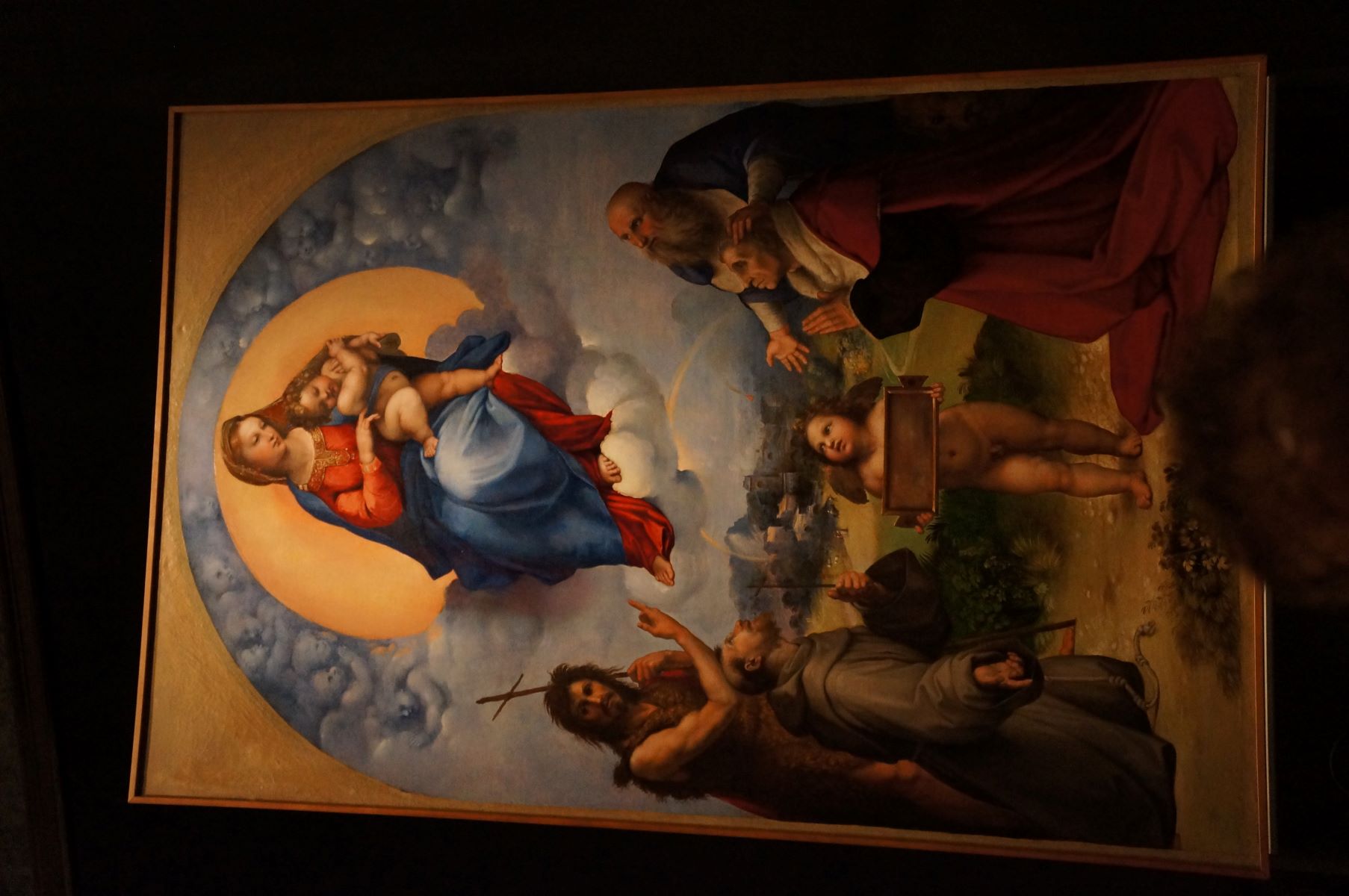
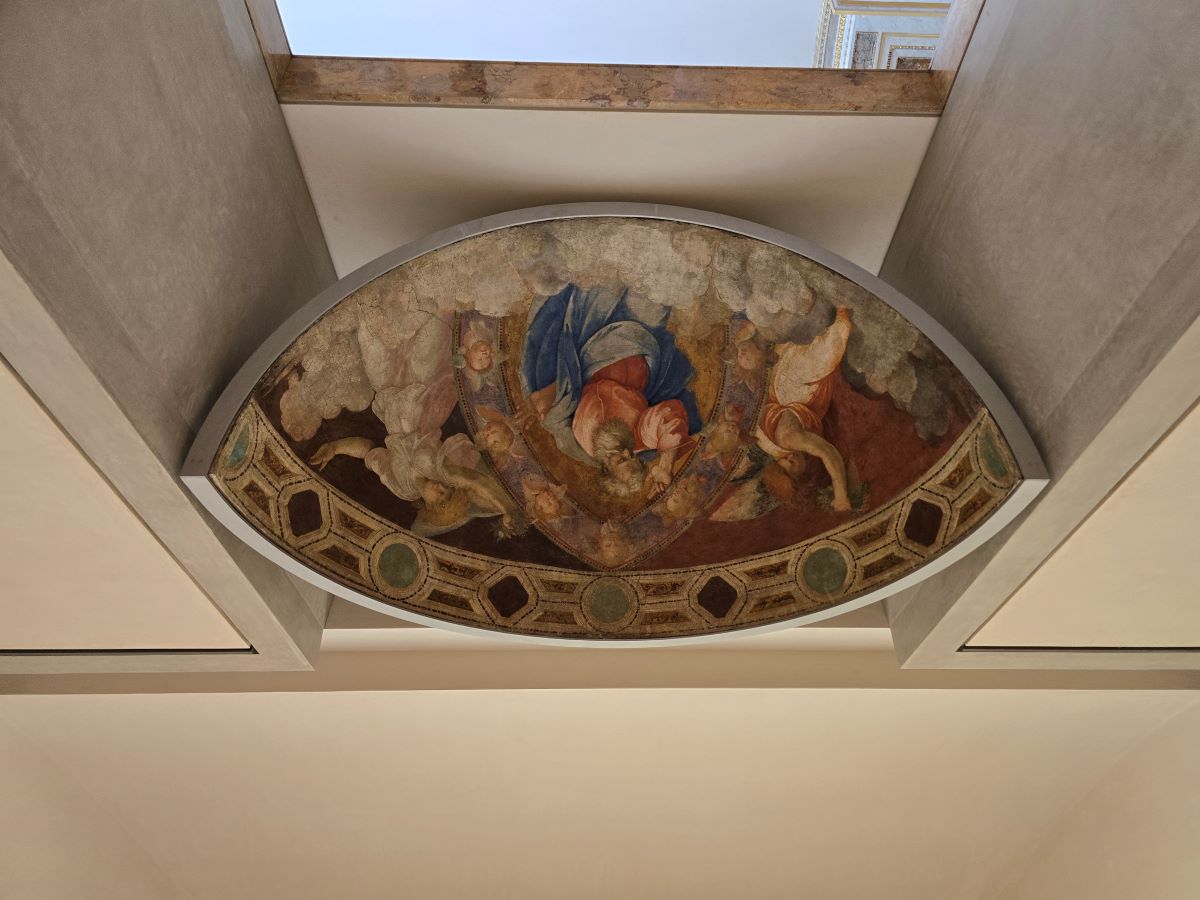
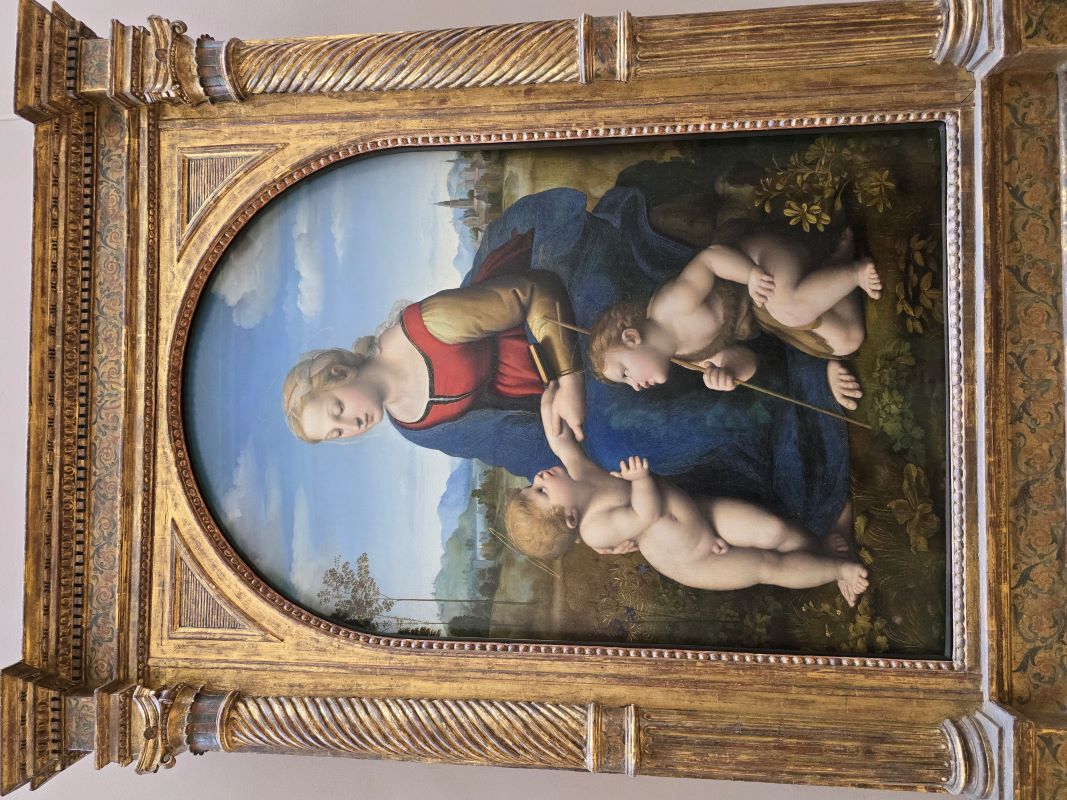
Besides the works mentioned above, here are several other Raphael paintings I had seen elsewhere before this exhibition.3
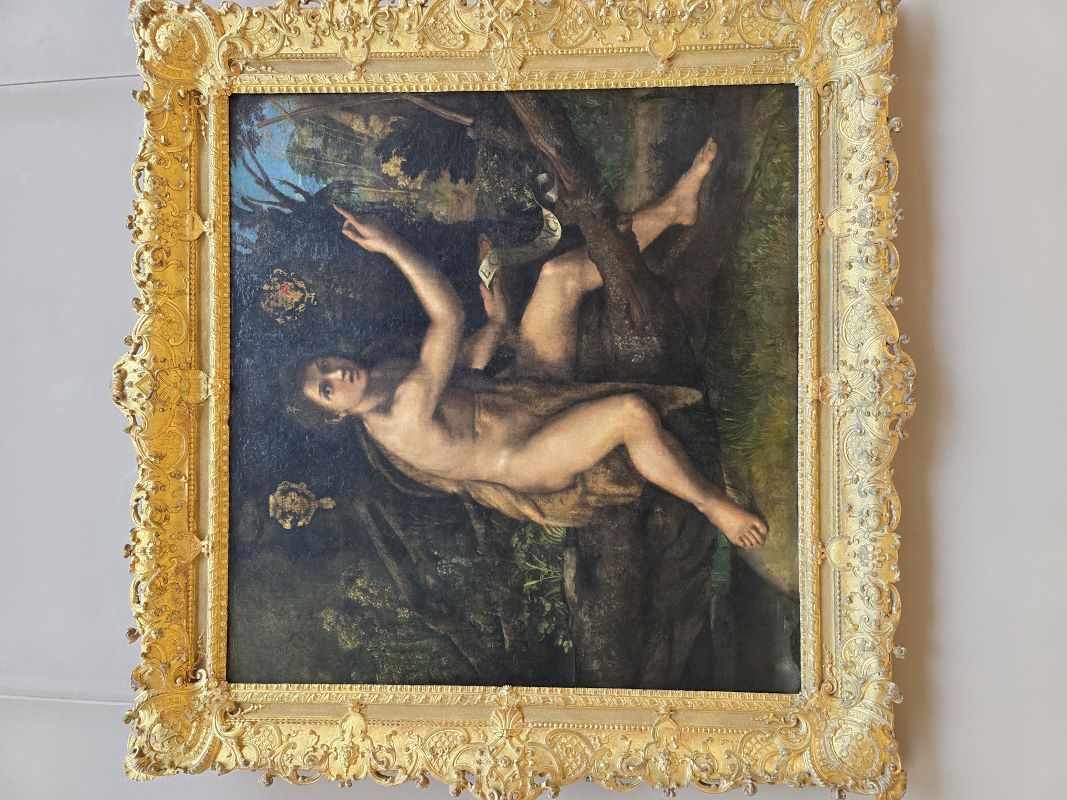
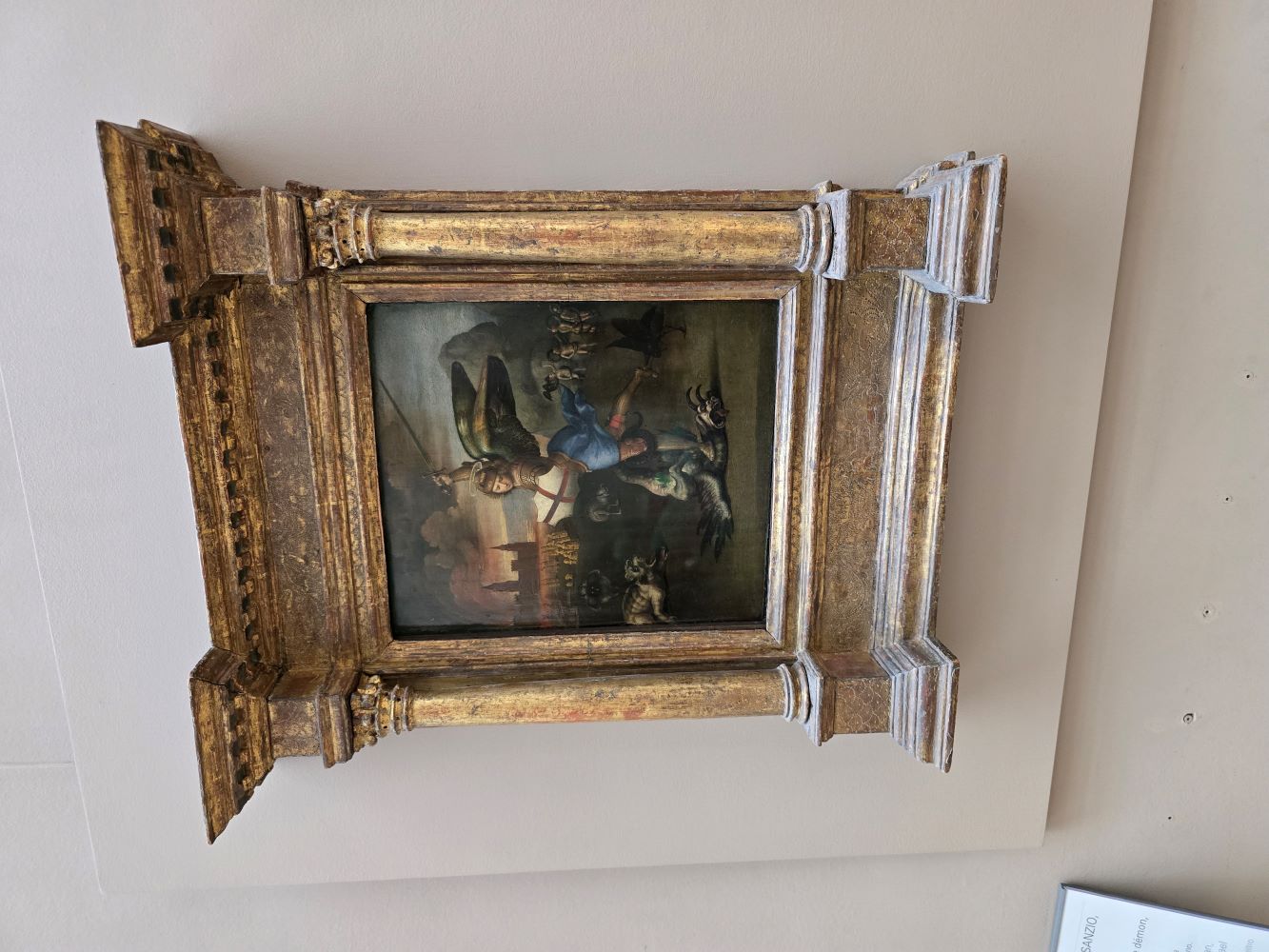
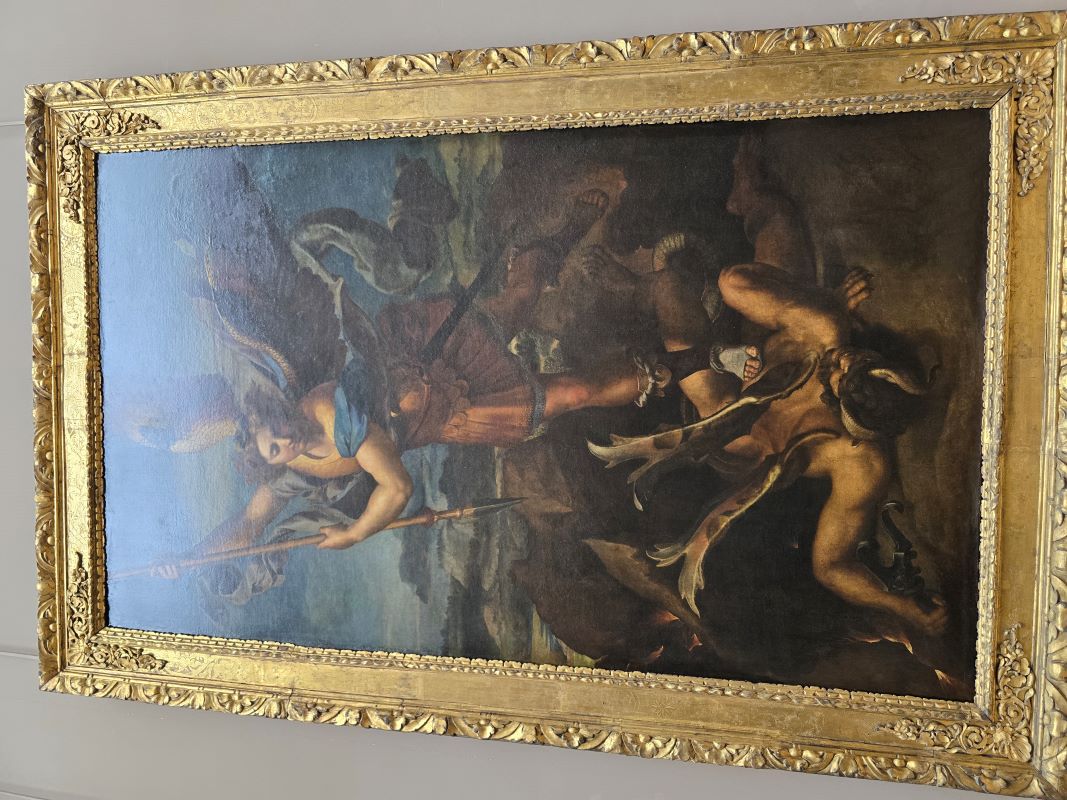
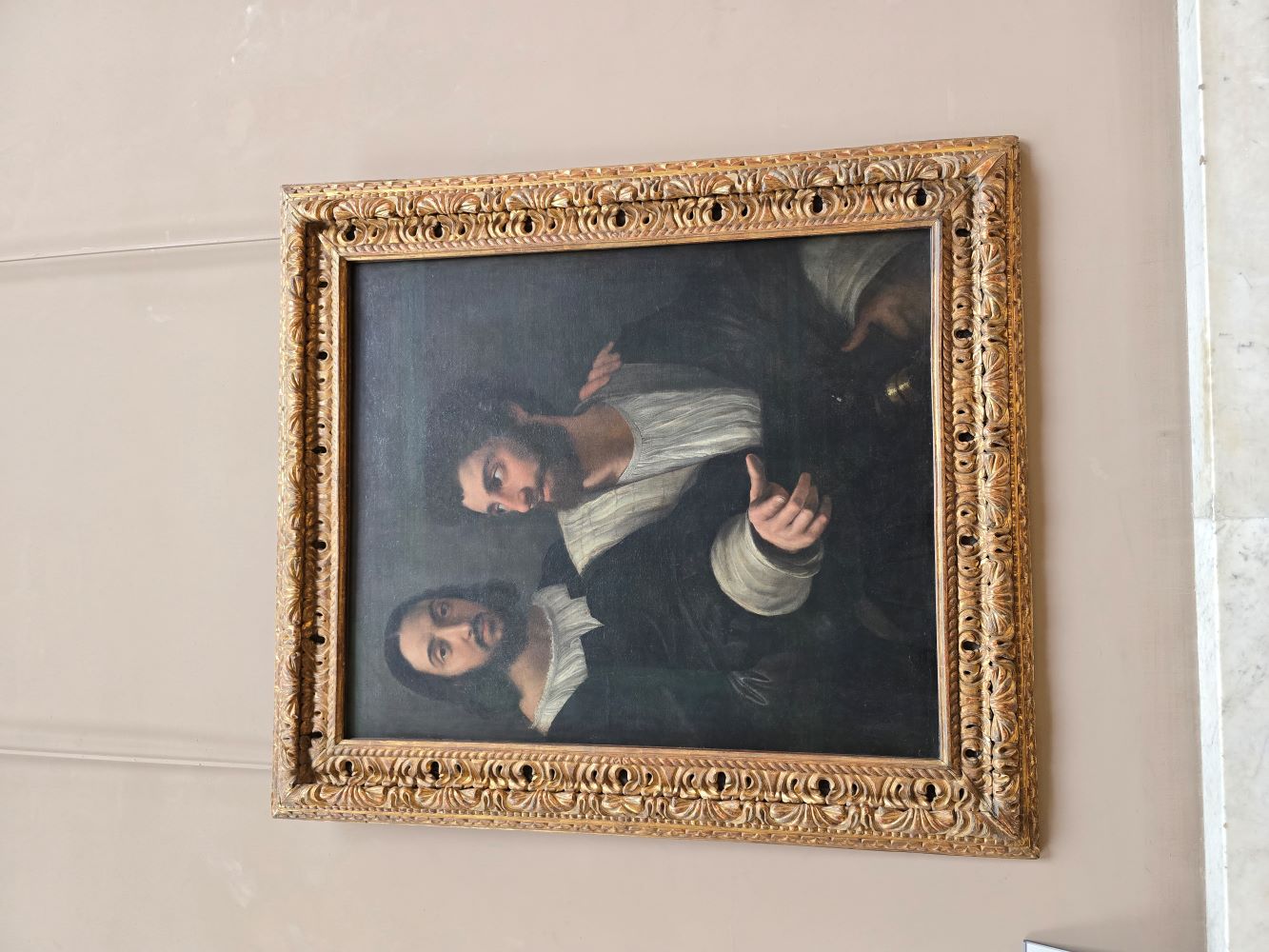
-
Resources I found especially helpful included this anonymous review on 1point3acres, the exhibition walkthrough by David Weng and Keda on YouTube (probably the best discussion I found online), the Met’s official audio guide, the Met’s Inside the Exhibition materials, and the museum’s promotional video. Most amusingly, on the very morning of my visit, while doing some last-minute review, I discovered a newly uploaded exhibition vlog by Xelacroix and Casey. I don’t think it had even been online the night before. Then that afternoon, I unexpectedly ran into Casey at the exhibition itself. Some coincidences are difficult to explain. ↩︎
-
I was genuinely curious how ChatGPT would translate certain Chinese internet slang and jokes into English. ↩︎
-
There are still many Raphael works I have not seen in person, including the Portrait of Pope Julius II in London, the Madonna del Prato in Vienna, and the Sistine Madonna in Dresden. ↩︎